
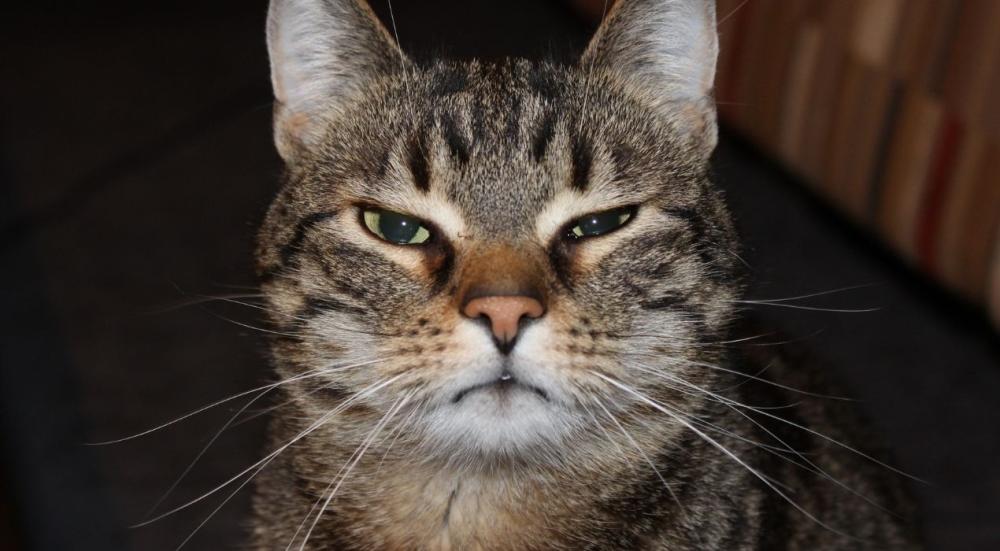

Have you ever noticed your cat suddenly hiding, running away from the room, or startling for no apparent reason? Often, the cause is an annoying noise that you didn't notice. Cats have incredibly sensitive hearing and react to sounds around them in a way that's completely different from humans.
At Hamtaro, we know that providing a comfortable acoustic environment is key to building a stable and happy relationship with your cat. In this article, we reveal the most common sounds cats dislike, why they affect them, and how you can avoid them.
Why is a cat's sense of hearing so sensitive?

- Wide hearing range: Cats can hear frequencies from 48 Hz to 85 kHz, while humans cannot hear more than 20 kHz.
- Strong auditory receptors: A cat's ear has more than 30 muscles that help it accurately determine the direction of sound.
- Instinctive response: Cats rely on hearing to stay safe, to hunt prey, and to monitor their surroundings.
Therefore, what sounds normal to you may be annoying or frightening to your cat.
Read more about:The most important cat supplies and basic needs in their daily lives

The most common sounds that cats hate
Cats are sensitive creatures, and there are many sounds they immediately flee from. For example, a vacuum cleaner, the sound of firecrackers, or even loud knocking on doors can be sounds that cats dislike and that drive them to seek a safe place.
Any sound that frightens cats, such as storms or sirens, is considered a disturbing and stressful noise for them. In many cases, it can evencause cats to fleefrom places they once loved.
loud and sudden noises
- Fireworks, thunder, explosions
- It triggers an immediate reaction of fear and hiding.
- This leads to stress that may last for hours or days.
The sound of a vacuum cleaner
- Continuous, loud, and vibrating sound
- The cat doesn't understand its purpose and perceives it as a direct threat.
- It is recommended to use the broom at times when the cat is not nearby.
Screaming or loud human voice
- Angry sounds are interpreted by cats as danger.
- Even if it's not directed at her, it causes a great deal of annoyance.
- Cats prefer calm and low tones.
Some recurring household noises
- Microwave sirens, doorbells, fire alarms
- Sudden, sharp-toned sounds cause tension.
- Some cats associate it with negative experiences and develop a fear of it.
Sounds of other animals (dogs - unknown cats - birds of prey)
- Stimulates the instinct for defense or fear
- Especially if the cats are not used to these sounds
- It causes isolation or a change in behavior.
Sharp electronic sounds
- Sounds of some devices such as televisions, computers, video games
- Subtle frequencies that we cannot hear, but which greatly disturb the cat.
sounds of friction, scratching, or knocking
- Knocking on doors, the clanging of metal, dragging chairs
- It triggers a defensive reaction or a rapid escape.
Why do cats hate these sounds?
- Negative associations: Sudden noises may remind the cat of a distressing experience (such as a veterinary visit or trauma).
- Loss of control: Sudden noises make the cat feel unable to control its surroundings.
- Excessive stimulation: Too many sounds lead to nervous overstimulation, causing chronic anxiety.
- Survival instinct: Any loud noise is interpreted by a cat as a potential threat to its life.
How do annoying noises affect your cat's behavior?
- Persistent isolation or lack of interaction
- Appetite problems or changes in eating habits
- Urinating or defecating outside the litter box
- Sudden aggression or excessive fear
- Episodes of sudden running or hiding
How do you create a safe acoustic environment for your cat?
- Lower the volume at home: Turn down the television or radio, and avoid shouting.
- Use appliances quietly: Operate the vacuum cleaner or dryer when the cat is not present.
- Prepare your cat for sounds: Use gradual acclimation techniques.
- Create a peaceful retreat: a bed in a secluded corner, a padded box, or a private room.
- Use white noise: steady, low sounds that help to calm cats.
Can cats be trained to adapt to certain sounds?

Yes, but that requires time and patience:
- Start playing the sound at a very low volume.
- Offer rewards at the same time to associate the sound with something positive.
- Gradually increase the intensity over several days.
- Stop immediately if signs of stress appear
This technique is called gradual desensitization and is used in modifying feline behavior.
You may also be interested in:Pet supplies; Learn about the importance of a medical protective collar for your pet
Annoying noises that cause stress for cats
Some sounds are not only loud, but also irritating to cats due to their frequency or persistence. Even if the sound isn't very loud, its sharp frequency can trigger a defensive reaction. Examples include the clanging of metal bells or tools.
These aresounds that frighten cats,especially if they are unfamiliar. Over time, these sounds may become associated with negative feelings, making any sound that frightens cats a trigger for fear, even if it is minor.
Sounds that help calm cats
Unlike jarring noises, some sounds can actually help cats fall asleep, such as the gurgling of water or a soft whisper. Some studies even recommend using music specifically designed for cats, known as "sounds to make cats calm."
The tones are low and their frequencies are close to natural cat sounds. Incorporating these sounds into your cat's routine can reduce its sensitivity to other sounds and make any environment more comfortable for it.
Scents that cats dislike
Just as there are annoying sounds, there are alsosmells that catsabsolutely hate. Often, the answer to the question of what smells cats dislike includes citrus fruits like lemons and oranges, vinegar, and certain strong herbs.
These scents can be used to train cats to stay away from certain places, but care should be taken not to use too many of them in their living areas so as not to cause them aversion or stress.
Frequently asked questions about sounds that cats dislike
Do all cats hate the same sounds?
No, there are individual differences. Some cats can tolerate the sound of a vacuum cleaner, while the doorbell bothers them.
Can loud noises cause health problems?
Yes, constant and annoying noises can lead to chronic stress that affects appetite and behavior.
How can I calm my cat when she is frightened by a loud noise?
Provide her with a quiet refuge, speak to her in a low voice, and do not force her out of her hiding place.
Does playing calming music help avoid sounds that cats hate?
In some cases, yes, quiet music or soft noise can soothe the nerves.
Is ignoring the sound enough?
If the sound is repeated frequently, ignoring it will not help; it is better to modify the environment or use assistive devices.
AtHamtaro, we know that your cat's peace of mind starts with the little details, including the sounds cats hate and hear every day. Cats can't ask for quiet.
But she suffers silently if you ignore what bothers her. Give her a peaceful environment and be mindful of the sounds in your home to make every day a chance for rest and tranquility. Follow our blog for more tips to help your cat live a happier and more peaceful life.