
Dry cat food is a crunchy, dry food designed to meet the nutritional needs of cats. It comes in various types to suit cats of different ages, such as kittens, adults, and pregnant cats. Its benefits include convenience, ease of storage, long shelf life, and the potential to help maintain dental health by cleaning teeth while eating.
In a world full of different options and brands, you may feel confused, but don't worry, this article will be your companion on your journey to choose the best for your cat, with clear information and practical tips to help you make the right decision.
Why do many people prefer dry cat food?
When you enter aHamtaro store,you will find yourself faced with many choices, but dry food occupies a large space, and this is not without reason, as there are logical reasons why thousands of breeders rely on it daily.
- Firstly, the practicality cannot be ignored. Imagine working all day, and dry food can stay on your plate for hours without spoiling or drying out, unlike wet food which requires constant attention. This feature makes your life much easier, especially if you are someone who spends a lot of time away from home.
- Secondly, cost. Yes, this is an important factor for everyone. Dry cat food is usually less expensive than wet food and lasts longer after opening. One bag can last for weeks, making it a smart, economical choice without sacrificing nutritional quality.
- Third, dental health. The crunchy texture of the kibble helps reduce tartar buildup on your cat's teeth. Every time your cat chews a dry kibble, a natural cleaning process occurs. Of course, this doesn't replace regular dental care, but it does contribute to maintaining good oral health.

The difference between dry and wet cat food
This is a question every new breeder asks, and it is a perfectly legitimate question. The difference is not limited to texture only, but extends to nutritional composition and different benefits.
Wet foodhas a high water content, sometimes up to 80%, which is great for cats who don't drink enough water. It's also easier to chew and suitable for older cats or those with dental problems. However, it spoils quickly and needs to be refrigerated after opening, and it's significantly more expensive.
Dry cat foodcontainsa low percentage of water, no more than 10%. This makes it more concentrated in terms of calories and nutrients. Your cat will need less to feel full compared to wet food. And let's not forget its ease of storage and preservation; it doesn't require refrigeration and will stay fresh for a long time in its airtight packaging.
The best solution? Many veterinarians recommend combining both types. You can offer dry food as the main meal, and add a little wet food as a treat or to increase the water content in your cat's diet.
Dry cat food for kittens: special needs during the growth stage
Kittens, just like babies, have very different nutritional needs than adult cats. In the first few months of their lives, they experience rapid and amazing growth, and their bodies need energy, protein, and minerals in specific proportions.
Protein is the most important nutrient. Kittens need a higher percentage of protein than adult cats because it's responsible for building muscle and tissue. Look for food that contains at least 30% protein, preferably from animal sources like chicken or fish.
Healthy fats are also essential. Fatty acids like omega-3 and omega-6 contribute to brain growth and nervous system development. They also keep fur healthy, shiny, and soft.
Don't forget the size of the kibble. Kittens have small mouths and their teeth are still developing, so the kibble should be small and easy to chew. Some types are specially designed for this purpose and will be labeled "for kittens" or "Kitten" on the packaging.
At Hamtaro, for example, you will findthe "Ron Ron Kitten Package"which contains food specifically for kittens in their growth stages, with a perfect balance of protein and fat.
Dry cat food without grains: Is it a better option?
In recent years, the "grain-free diet" trend has become widespread. But is this just marketing, or are there real benefits?
Grains like wheat, corn, and barley were once used in cat food as a cheap source of carbohydrates. However, cats are carnivores, and their digestive systems are not designed to digest large quantities of grains. Some cats may also be allergic to certain types of grains, leading to digestive or skin problems.
Grain-free food relies on alternative carbohydrate sources such as sweet potatoes, peas, or lentils. These ingredients are easier to digest and cause fewer problems for sensitive cats. This type of food also typically contains a higher percentage of animal protein, which is essential for cats.
But be careful, "grain-free" doesn't automatically mean "better." Read the ingredient list carefully. If you find animal protein as the first, second, and third ingredients, that's a good sign. But if potatoes or peas are the main ingredients, that's not ideal.
Thegrain-freeCanevaavailable at Hamtaro is an excellent choice for those looking for high-quality food without any added grains, with a focus on natural meats and healthy ingredients.
Natural dry cat food: Why are natural ingredients important?
The word "natural" is used a lot in marketing, but what does it really mean? Natural food should be free of artificial preservatives, artificial colors, and artificial flavors.
Artificial preservatives such as BHA, BHT, andethoxyquinwere once widely used, but studies have suggested they may cause long-term health problems. Natural foods use safer alternatives such as vitamin E (tocopherol) or rosemary extract as natural preservatives.
Artificial colors are useless for cats because they don't see colors the same way we do. These additives are only there to attract breeders, but they can cause allergies or health problems for cats.
Artificial flavors are also unnecessary. Good food containing real meat doesn't need added flavors to appeal to a cat. If food needs artificial flavors to be acceptable, it means the quality of the basic ingredients is poor.
When choosing natural dry cat food, look for a short and clear ingredient list. The fewer and more understandable the ingredients, the better the food. You should familiarize yourself with each ingredient on the list, and if you find complex chemical names you don't recognize, this is a sign of unnecessary additives.
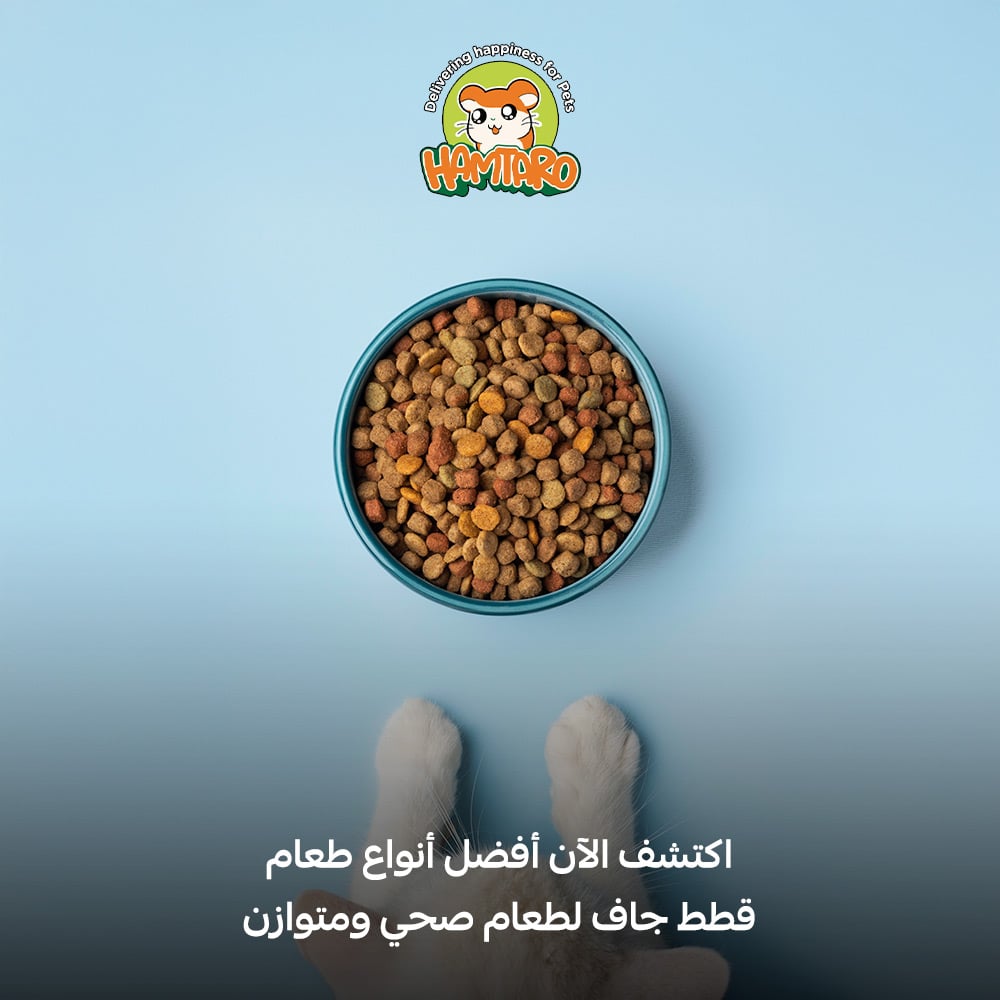
The best type of dry cat food: the right selection criteria
The market is full of options, and every brand claims to be the best. But how do you actually determine which dry cat food is best for your cat?
- The first ingredient is very important.Open the package and read the ingredient list. The first ingredient must be real meat (chicken, fish, beef) and not "meat meal" or "meat by-products." The more specific and clear the ingredient, the better.
- The percentage of animal protein is important.A cat needs at least 26% protein in its diet, but it's better if the percentage is higher, especially if the cat is active or young. Make sure that most of this protein comes from animal sources, not plant-based ones.
- Low carbohydrates.Cats don't need large amounts of carbohydrates. If the carbohydrate content exceeds 30%, it means the food is too filler. Low carbohydrates mean higher protein and fat, which is what a cat needs.
- Price isn't everything.Yes, good food might be a little more expensive, but that's an investment in your cat's health. Cats typically eat smaller portions of high-quality dry food because it's filling and nutritious, unlike cheaper food which they need to eat in larger quantities because it's full of fillers.
At Hamtaro, you can take advantage ofsavings packagesthat combine the best types of dry food at competitive prices, saving you money without compromising on quality.
Best dry cat food brands: Brand comparison
When talking about the best dry cat food brand, we must be realistic: there is no single brand that suits all cats; every cat has its own needs and preferences.
There are well-known global brands that have invested years in research and development. These brands typically offer diverse lines: food for kittens, adult cats, senior cats, neutered cats, and cats with special needs such as sensitive skin or digestive problems.
Less well-known brands aren't necessarily worse. Some focus on natural and organic ingredients and offer high quality at a reasonable price. The important thing is to read the ingredients and check the manufacturer's reputation.
Quality indicators to look for:
- Clear source of protein (fresh chicken, salmon, beef)
- No derivatives or meals of unspecified origin
- Recognized quality certificates
- Clear production and expiry dates
- Company transparency in publishing product information
Hamtaro offers a curated selection of top brands, guaranteeing quality and competitive prices. You can easily browse and compare products, and receive expert advice from our team to help you choose the perfect fit for your cat.
Dry cat food prices in Saudi Arabia: How to balance quality and cost?
Discussions about the price of dry cat food in Saudi Arabia always spark lengthy debates. Prices vary considerably, from budget brands that might cost 30-50 riyals for a large bag, to luxury brands that can reach 300 riyals or more.
But how do we understand this difference? It's not just about the price, but what you get for that price. Cheap food usually contains a lot of fillers (grains, derivatives, cheap ingredients), which means your cat will need a larger quantity to feel full, and may suffer health problems in the long run.
Good food is concentrated and nutritious. One bag may last longer because the cat eats smaller portions, and because higher quality means better health, and therefore lower vet costs.
Tips for saving money without sacrificing quality:
- Buy the larger bags; they are more economical in the long run.
- Take advantage of seasonal offers and discounts
- Try bundled packages that offer better value
- Don't rush into changing brands; stick to one good brand.
Hamtaro offers competitively pricedsavings packages, where you can get the best types at lower prices than if you bought each product separately.

Practical tips for switching to a new dry cat food
Decided to change the type of food? Don't do it suddenly. A cat's digestive system is sensitive, and a sudden change may cause digestive upset or a complete refusal of the new food.
The correct way to transition:Days 1-2: Mix 25% new food with 75% old food. Days 3-4: 50-50 ratio. Days 5-6: 75% new and 25% old. Day 7 and onwards: Completely new food.
Monitor your cat during this period. If you notice diarrhea, vomiting, or loss of appetite, slow down the transition. Some cats need two weeks or more to fully adjust.
Dry cat food is more than just a meal; it's a daily investment in your furry friend's health and happiness. The right choice means a shiny coat, high energy, a healthy digestive system, and many more years of happy companionship.
Remember that every cat is unique, and what works for one cat may not work for another. The important thing is to start with accurate information and reliable products. At Hamtaro, we're here to help you every step of the way, from choosing the right breed to monitoring your cat's health and development.
Visit Hamtaro today, explore our wide range of high-quality dry foods, and take advantage ofour exclusive savings bundlesthat bring together everything your cat needs in one place. Your cat's health deserves the best, and we're here to deliver it.
Frequently Asked Questions
What is the best type of dry cat food for kittens?
The best dry food for kittens depends on its high-quality ingredients that support their growth, such asanimal protein (chicken or fish), vitamins, and minerals. Popular and recommended brands include Royal Canin, Farmina, Carnilove, Jucera, and Wellness Core, with an emphasis on choosing products specifically formulated for kittens to ensure they receive their unique nutritional needs.
Is it possible to feed cats only dry food without wet food?
Yes, you can feed cats only dry food, but you must ensure they have access to plenty of fresh water at all times. While dry food provides the necessary nutrients, its lack of moisture means your cat needs to drink plenty of water to avoid dehydration and potential kidney problems. It's always best to consult your veterinarian to ensure your cat's diet is suitable.
How many times a day should cats be fed dry food?
Adult cats should be fedtwice a day, with two regular meals in the morning and evening. Kittens (up to 6 months old) need 3-4 meals a day, while older cats only need two meals. Some pregnant or lactating cats can eat all day.
Does dry food cause dehydration or kidney problems in cats?
Yes, dry food can cause dehydration and kidney problems in cats, especially if they rely on it exclusively and don't drink enough water. This is because dry food contains very little water compared to wet food. Chronic dehydration, even mild dehydration, increases the risk of urinary tract problems and kidney stones.
What is the difference between local and imported dry cat food?
The main difference between local and imported cat food lies inthe quality of the ingredients and manufacturing. Imported brands often focus on using high-quality, natural ingredients like fresh meat, while local brands may rely on lower-quality ingredients such as grains as their primary energy source. High-quality imported food also tends to include essential vitamins and minerals like omega-3 and omega-6 fatty acids to promote overall health, while these components may be less abundant in lower-cost local products.