


Cats are small creatures, but their feeding is incredibly complex. Contrary to popular belief, you can't simply fill their food bowl and wait for them to decide what they want. Each age has its own specific requirements, and every cat has unique needs. The difference between proper and haphazard feeding can mean the difference between a healthy, long-lived cat and one suffering from chronic health problems. Don't worry, it's not as complicated as it seems; it just requires some basic knowledge.
Why is feeding cats different from feeding other animals?
Cats are strict carnivores, meaning their bodies are designed to digest primarily animal protein. Unlike dogs, which can adapt to a variety of diets, cats require specific nutrients found only in meat, such as taurine, preformed vitamin A, and arachidonic acid.
This unique biological makeup makes feeding cats a matter of precision and attention. Grains and vegetables cannot be relied upon as a primary source of energy, and animal protein cannot be replaced by plant-based alternatives. Specialty foods like Ron Ron and Caneva products are formulated based on these scientific facts to provide complete nutrition.
Understanding a cat's daily feeding schedule
Creating a daily feeding schedule for cats isn't a fixed mathematical equation, but rather a flexible guide that takes several factors into account. The correct schedule depends on the cat's age, weight, activity level, and health condition.
Generally, adult cats need two to three meals a day, while kittens may need four or five smaller meals spread throughout the day. The reason is simple: a kitten's stomach cannot hold large quantities at once, and its rapid growth rate requires a constant supply of energy and nutrients.
Hamtaro offers savings packs that contain a mix of dry and wet foods, making it easier for breeders to diversify meals and meet their cat's daily needs without the hassle of searching for separate products.

Determining the appropriate amount of food for cats
The most common question among breeders is: What is the exact amount of food suitable for cats? The answer is not a fixed number, but a range that depends on several criteria.
A general rule is that an adult cat needs about 20-30 calories per kilogram of body weight per day. A 4-kilogram cat would therefore need 80-120 calories per day. However, this number can vary depending on the cat's activity level.
An active cat that plays a lot and moves around constantly may need the highest calorie intake, while a sedentary cat that spends most of the day sleeping may only need the minimum. Regularly monitoring your cat's weight and adjusting as needed is key.
Most good cat foods, like those available in Hamtaro packs, have clear instructions on the packaging indicating the recommended amount based on the cat's weight. These instructions are a good starting point, but personal monitoring of the cat's condition is more important.
Feeding kittens: The most important stage
The first few months of a kitten's life are a period of rapid growth that requires special attention. Feeding kittens differs radically from feeding adult kittens, not only in quantity but also in composition.
From 4 to 8 weeks of age, kittens begin to transition from their mother's milk to solid food gradually. At this stage, they need easily digestible wet food offered in small, frequent meals, about 4-6 times a day.
From two to six months of age, kittens enter a period of rapid growth. During this time, they require higher calories and protein, which should make up 30-35% of their total food intake. Caneva kitten products provide these carefully balanced proportions with added essential growth vitamins.
After six months to one year, the growth rate slows down slightly, but nutritional needs remain high. The number of feedings can be reduced to three per day while maintaining the overall quantity.
Feeding adult cats: Maintaining balance
Once a cat reaches its first year, it enters adulthood and its nutritional needs stabilize. Feeding adult cats focuses on maintaining ideal weight and overall health rather than supporting growth.
A typical adult cat needs a diet containing 26-30% protein and 9-15% fat. This balance ensures sufficient energy for daily activity without causing weight gain. Two meals a day are usually enough, with the option of adding some healthy treats between meals.
It's important to pay attention to the quality of protein, not just the quantity. Animal protein from chicken, meat, or fish is far superior to plant-based proteins or fillers. The Ron Ron packages available at Hamtaro focus on animal protein as the primary ingredient, ensuring genuine nutritional value.
Adult cats also need a mix of dry and wet food. Dry food helps clean teeth, while wet food provides extra moisture and is easier to digest. A variety of both ensures a balanced diet.
Older cats: special needs
After 7-8 years of age, a cat is considered to be in its senile stage, and its nutritional needs begin to change again. Aging comes with a slowing of metabolism and a decrease in activity level, which means a lower calorie requirement.
But it's not that simple. Larger cats may have difficulty absorbing nutrients, so they may need more nutrient-dense food in smaller portions. Protein remains important, but it must be easily digestible.
Dental problems are common at this age, so wet food becomes a preferred option. Also, older cats may need nutritional supplements to support joint and kidney health. Hamtaro offers specialized foods for older cats that take all these factors into account.
Common mistakes in cat feeding
Even the most careful cat owners can unintentionally make some mistakes. Knowing common mistakes in cat feeding helps avoid them.
Overeating:the most common mistake. Leaving food available all the time leads to obesity, a serious health problem that leads to multiple diseases.
Relying on a single type of food:Cats need a variety of protein and nutrient sources. Relying on only one type of food can lead to deficiencies in certain elements.
Neglecting water:Many cats don't drink enough water, especially if they rely solely on dry food. Dehydration can lead to kidney and urinary tract problems.
Feeding human food:Many of our foods are toxic to cats, such as onions, garlic, chocolate, and grapes. Even safe foods may not provide balanced nutrition.
Changing food suddenly:Rapidly switching from one type of food to another can cause digestive upset. The change should be gradual, occurring over a week.
Building a healthy diet for cats
Creating a healthy diet for cats requires understanding food ingredients and how to read labels. Look for foods that clearly list an animal protein source as the first ingredient (chicken, fish, meat), not vague terms like "meat by-products" or "animal meal."
Avoid foods high in grains or fillers. Cats don't need large amounts of carbohydrates, and high levels of these mean you're paying for something with little nutritional value for your cat.
Hamtaro's food packs are designed to provide a complete system combining high-protein dry food and a variety of wet meals. This combination ensures your cat gets everything it needs without having to buy multiple products from different sources.
Don't forget nutritional supplements when needed. Vitamin pastes, omega-3 supplements, and digestive support products may be necessary in some cases, especially for cats with special needs.
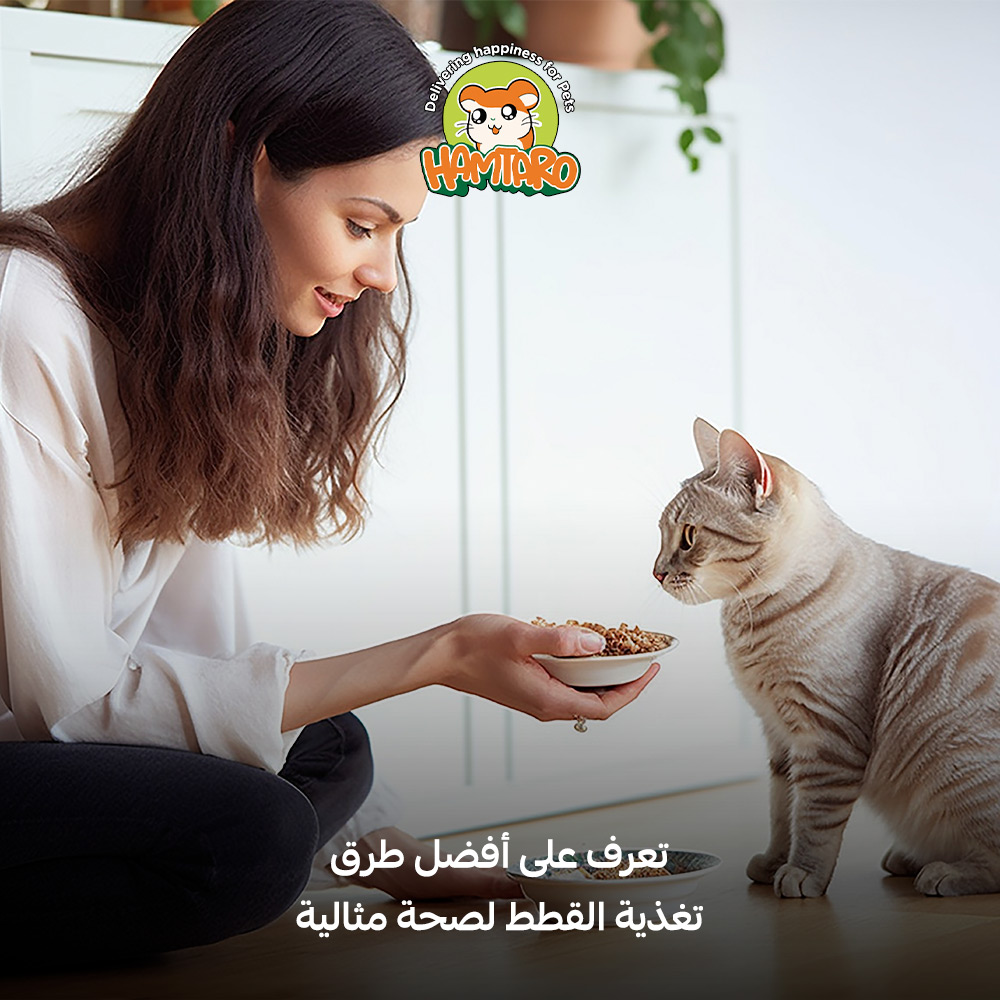
Best food to strengthen cats
When we talk about the best food to strengthen cats, we are referring to foods rich in high-quality protein, essential fatty acids, and vitamins and minerals necessary for building muscle and strengthening immunity.
Animal protein is the foundation. A strong cat needs protein from multiple sources to ensure it gets all the essential amino acids. Ron Ron and Caneva products provide protein-rich formulas from chicken and fish, supporting muscle building and energy maintenance.
Healthy fats are not the enemy. Omega-3 and omega-6 fatty acids are essential for healthy skin and coat, and support cognitive and visual functions. Foods containing fish oil or chicken oil provide these essential fatty acids.
Vitamins and minerals such as taurine, vitamin E, and zinc play vital roles in boosting immunity and supporting heart health. Specialized foods contain these elements in carefully considered proportions to meet daily requirements.
Pamper your cats and give them healthy and delicious food withCaneva Tuna & Salmon Cat Food in Jelly
Monitoring and adjusting the diet
Feeding cats isn't a fixed system but an ongoing process of monitoring and adjustment. Monitor your cat's weight monthly, and pay attention to the condition of its coat, its activity level, and the quality of its stool.
A healthy cat should maintain a stable weight in adulthood, with a glossy, soft coat and firm stools. Any change in these signs may indicate a need for dietary adjustments.
Regular veterinary checkups are also important. A veterinarian can detect early nutritional problems and provide personalized recommendations based on the cat's health condition.
Don't hesitate to try different types of food to find what suits your cat. Hamtaro's savings packs offer an opportunity to try a variety of products without having to buy large packages of each type, making the discovery process easier.
Order a carton of Caneva Indoor Chicken in Jelly Cat Food (12 x 70g) at the best price now!
The role of water in cat nutrition
Water is often overlooked, even though it's a vital element in a cat's diet. Cats, by nature, don't drink much because they evolved in desert environments, but that doesn't mean they don't need water.
Dehydration can lead to serious kidney and urinary tract problems, which are among the most common health issues in domestic cats. Encouraging a cat to drink requires some skillful tactics.
Place several water bowls in different locations around the house, and use wide, shallow bowls as cats don't like their whiskers touching the sides. Some cats prefer running water, so pet water fountains can be a good investment.
Moist foods also contribute to hydration, as they contain 70-80% water compared to only 10% in dry foods. Therefore, incorporating moist foods into your daily diet is very beneficial.

Frequently Asked Questions
What is the appropriate amount of food for cats per day?
An adult cat weighing 4 kg needs approximately 200-250 grams of wet food or 40-60 grams of dry food daily. However, these amounts vary depending on the cat's activity level and the type of food. The instructions on the product packaging available at Hamtaro provide a precise guide based on the cat's weight, allowing for monitoring and adjustments as needed.
Can dry and wet cat food be mixed?
Yes, it's recommended. Combining dry and wet food offers the benefits of both: dry food promotes dental health and is economical, while wet food provides extra hydration and is more palatable to some cats. A dry meal can be offered in the morning and a wet meal in the evening, or they can be mixed together in the same meal.
What foods are forbidden for domestic cats?
The list includes onions and garlic in all their forms, chocolate, grapes and raisins, avocados, alcohol, caffeine, dairy products in large quantities (most adult cats cannot digest lactose), raw dough, cooked bones, and very salty or spicy foods. Stick to foods specifically formulated for cats to ensure safety.
How do I know if my cat is suffering from malnutrition?
Signs of malnutrition include noticeable weight loss, dull or matted fur, lethargy and decreased activity, skin problems, poor appetite, and abnormal stools. If you notice any of these signs, consult your veterinarian immediately. Regular monitoring and checkups help detect problems early.
What is the ideal diet for kittens and adult cats?
Kittens (up to 12 months old) need a diet rich in protein (30-35%) and calories, divided into 3-4 meals daily, with an emphasis on easily digestible wet food. Adult cats require 26-30% protein in two meals daily, with a mix of dry and wet food. Hamtaro offers customized packages for each age group, containing Ron Ron andCaneva productsdesigned to meet these different needs.