


The litter box. Yes, let's be honest from the start. That little box in the corner of your house can be your source of comfort or your daily nightmare. The difference? Your choice of the right typeof cat litter.
You might think it's simple: buy any bag from the store, fill the box, and that's it. But the truth is, the wrong cat litter means a foul odor filling the house, dust flying everywhere, a cat refusing to use its box, and a wasted budget. The right litter, on the other hand, means lasting cleanliness, comfort for you and your cat, and a home that remains fresh as if nothing had happened.
In this article, we'll reveal everything you need to know about the different types of cat litter, how to choose the most suitable one, and how to save money without sacrificing quality. Because your cat deserves the best, and your home deserves to stay clean.
Why is choosing the right cat litter essential?
Let's start with an important fact: Cats are naturally clean animals, and are very sensitive to the smell and cleanliness of their toilet area. If they don't like the litter, they will look for an alternative, and that alternative might be your favorite rug or your new sofa.
Poor quality sand creates multiple problems:
Firstly, the dust that flies up when the cat digs can cause respiratory problems for both you and her, especially if either of you suffers from allergies.
Secondly, litter that doesn't absorb odors well will make your home an uncomfortable place to live. Thirdly, litter that sticks to your cat's paws will spread throughout the house, and you'll find yourself constantly cleaning.
From a health perspective, good quality litter prevents bacterial growth and keeps the litter box dry, reducing the likelihood of your cat developing urinary tract infections. Proper litter also makes it easier to monitor your cat's health by observing the color and consistency of their droppings, which is important for the early detection of any health problems.

Clumpy cat litter: The practical solution for daily cleaning
When you enter thecat products sectionat Hamtaro, you will find that clumping litter occupies a large space, and the reason? It is the most practical and easiest to use.
The mechanism of the clumping litter is simple and clever: when your cat urinates, the liquid turns into a solid mass within seconds. This mass can be easily removed with the included scoop, keeping the rest of the litter clean and dry. You won't need to change the entire litter box daily; simply remove the clumps and add a little fresh litter as needed.
The benefits don't stop there; clumping litter saves money in the long run because you only replace a small portion instead of the entire quantity. It also reduces litter consumption and makes cleaning faster, which is ideal for those who work long hours or have more than one cat.
But be aware, not all clumping sand is created equal. Good quality clumps quickly and firmly, so the clump doesn't crumble when lifted. Cheaper types may crumble and mix with the clean sand, rendering them useless. Hamtaro'scomplete Run Run packageincludes high-quality clumping sand that guarantees strong and rapid clumping.
Dust-free cat litter: Comfort for everyone
If you have ever poured a bag of sand into the litter box and found a cloud of dust filling the place, you know how annoying this is. Dust is not only blown around when the box is filled, but also whenever your cat digs or buries its waste.
The problem is not just aesthetic. Dust causes real respiratory problems, especially for cats and people with asthma or allergies, and it also settles on furniture and surrounding surfaces, adding an extra burden to household cleaning.
Dust-free cat litter is specially formulated to reduce the spread of fine particles. Some types use specialized treatment techniques, while others rely on natural, less volatile ingredients. The result? Cleaner air, a more comfortable cat, and a cleaner home.
When choosing dust-free sand, make sure the product has quality certifications and that the manufacturer actually guarantees this feature. Some products claim to be dust-free, but in reality, they only contain an acceptable percentage of dust, not completely free.
Silica sand for cats: The latest technology in the world of hygiene
Silica cat litter represents a significant leap forward in the world of cat litter. This type differs radically from traditional types, as it is made from silica gel granules, a completely safe material used in many everyday products.
How does it work? The silica granules absorb liquids within their microscopic pores, completely locking in odors. The absorbency of this type of sand is amazing; one bag can last a whole month for a single cat, compared to traditional sand that you might need to change weekly.
Another advantage is its weight; silica sand is much lighter than clay sand, making it significantly easier to handle and store. It also doesn't stick to a cat's paws as much, so it's less likely to be scattered around the house.
However, this type does have some drawbacks. It's more expensive than traditional types, and some cats don't like the feel of the silica granules under their paws. Also, the granules make a noise when walked on, which might bother some sensitive cats. But if your cat gets used to it, you'll find it's an excellent option in terms of hygiene and long-term savings.
The best type of cat litter: How to compare the options?
The most common question: What exactly is the best type of cat litter? The answer is not one for everyone, as the best option depends on several factors.
- Clumping clay litteris the most common and has a wide following. It is economical, clumps effectively, and most cats accept it without problems. However, it can produce dust and is heavy.
- Silica sandis ideal for those seeking minimal maintenance and a longer lifespan. It's the cleanest and least common material for the home, but also the most expensive.
- Recycled paper litter isan environmentally friendly and suitable option for cats recovering from surgery or suffering from paw injuries, as it is very soft. However, its ability to control odors is less than other types.
- Natural corn or wheat litteris biodegradable and can be flushed down the toilet in some cases. It is perfectly safe if accidentally ingested by a cat during cleaning, but it may attract insects if not properly stored.
The most important factor in choosing the best cat litter is your cat's preference. Try two or three types and see which one they use most comfortably. A cat that is comfortable with litter will use its litter box regularly without behavioral problems.
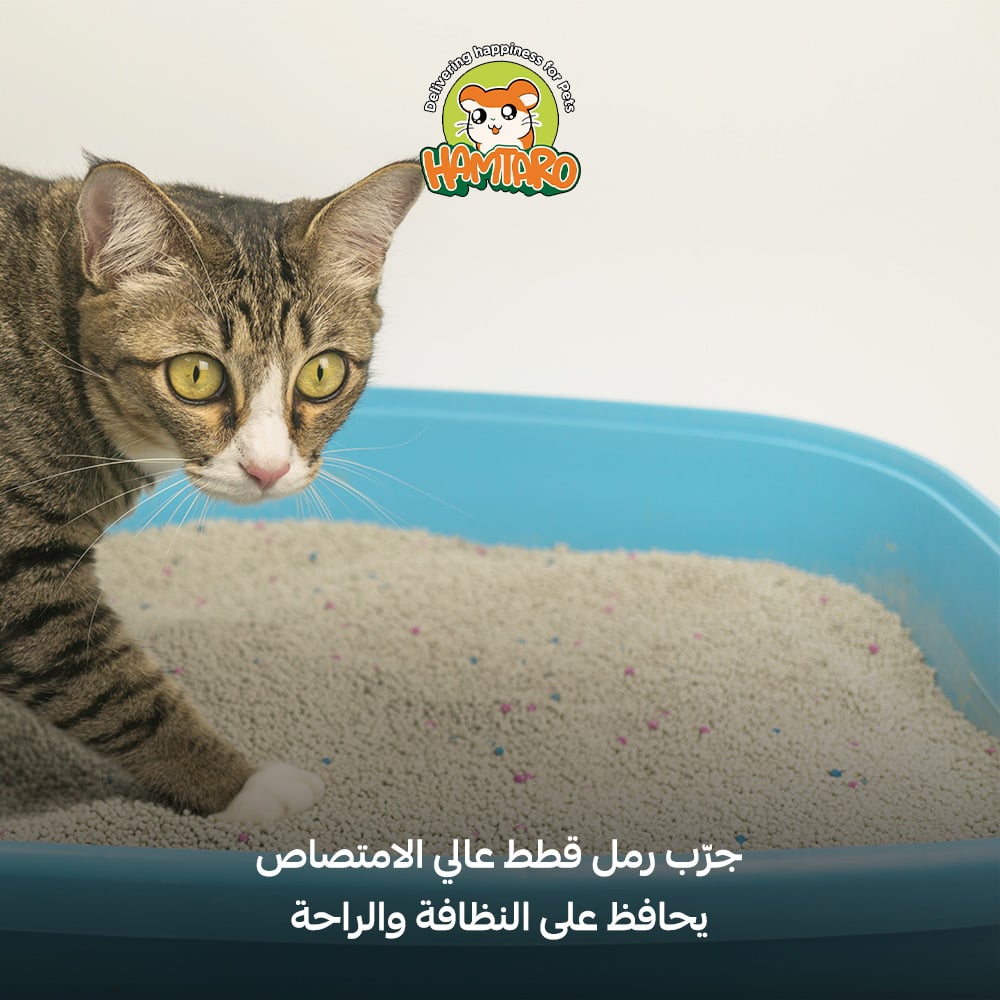
Scented cat litter: a necessity or a luxury?
Stores are overflowing with cat litter in fragrant scents: lavender, lemon, primrose, and more. The question is: do you really need these scents?
From a human perspective, pleasant scents are appealing and create a sense of cleanliness. But from a cat's perspective, it's different. Cats have an incredibly keen sense of smell, 14 times stronger than humans. Strong odors can be unpleasant to them and may even cause them to avoid the litter box.
The best solution is to choose cat litter that controls odors naturally through superior absorption and bacteria trapping, rather than masking them with artificial fragrances. If you prefer a particular scent, opt for varieties that use mild, natural extracts instead of strong chemical perfumes.
Remember that a good scent comes from consistent cleanliness, not perfume. Daily cleaning + highly absorbent sand = an odor-free home without the need for added fragrances.
Budget-friendly cat litter: How to save money without sacrificing quality?
Budget is an important factor for everyone. It's true that some types of cat litter are expensive, but there are clever ways to save money without compromising the cleanliness of your home or the comfort of your cat.
Buying in bulkis the first step. A 10-kilo bag is much cheaper than buying multiple small bags. Hamtaro offerssavings bundlesthat combine several bags at a discounted price, saving you money and ensuring you have enough stock to last for months.
Proper useextends the life of the sand. Don't fill the box with too thick a layer; 5-7 cm is sufficient. Daily cleaning to remove clumps makes the sand last longer, as you won't need to replace the entire box as often.
Choose the type that best suitsyour situation. If you have one cat and spend most of your time at home, a clumping, economical cat litter may be perfectly adequate. However, if you have several cats or are away for extended periods, investing in a higher-quality type may be more cost-effective in the long run.
The smart comparison is to calculate the monthly cost, not the price per bag. Cheap sand might require three bags per month, while good quality sand might only need one or two bags, making it ultimately more economical.
Cleaning cat litter correctly: A simple daily routine
Even the best cat litter won't help if you don't clean the litter box properly. The good news? The right routine takes no more than 5 minutes a day.
Daily cleaning:Use a litter scoop to remove clumps and solid waste at least once a day, preferably twice a day if you have more than one cat. Place the clumps in a sealed plastic bag before disposing of them in the litter box. Add a light layer of fresh litter to replace what was removed.
Weekly cleaning:Once every one to two weeks, empty the litter box completely. Wash it with warm water and mild soap (avoid harsh or perfumed detergents that may upset your cat). Rinse thoroughly and allow it to dry completely before refilling it with fresh litter.
Additional tips:
- Use a mat under the box to catch any sand that falls from the cat's paws.
- Keep the waste bin in a quiet and easily accessible place.
- If you have more than one cat, the golden rule is: number of boxes = number of cats + 1
Properly cleaning cat litter isn't just about hygiene; it's also about monitoring your cat's health. Changes in the amount, color, or size of urine or litter can be early indicators of health problems.
ﻻ
Cat litter in Hamtaro: Quality, comfort, and economy
When you choose Hamtaro to buy cat litter, you're not just buying a product, you're getting a complete experience. The wide selection includes top international and local brands, with guaranteed quality and competitive prices.
The Caneva Premium Packagecombines high-quality silica sand with other essential supplies, whilethe Ron Ron Packageprovides you with high-quality clumping sand and necessary cleaning tools. These packages are designed to save you money and time, ensuring you get everything you need in one go.
The team at Hamtaro is always ready to help you choose the right type based on your specific needs. Do you have a kitten? A sensitive cat? Several cats? There's a perfect solution for every situation, and we're here to help you discover it.
Choosing the right cat litter isn't as complicated as it seems, but it's a decision worth some research and experimentation. A clean home and your cat's comfort are worth this little effort. Visit Hamtaro today, explore our wide selection of premium litter, and take advantage ofour value packsthat combine quality and affordability in one solution. Your cat deserves the best, and we're here to provide it.
Frequently Asked Questions
What is the best type of cat litter in terms of absorption and smell?
The best type of cat litter in terms of absorbency and odor control issilica (crystal) litter. It offers high absorption and excellent odor control, produces very little dust, and is suitable for cats with allergies. Another excellent option is plant-based litter (such as soy or pine), which absorbs well, reduces odors, is environmentally friendly, and produces very little dust.
How often should cat litter be changed per week?
The litter should be removed once or twice daily, with the litter completely changedonce or twice a week. However, some types of litter or more frequently used litter boxes may require more frequent changes, especially if unpleasant odors develop. A thorough cleaning is also necessary to keep the box clean, and it's advisable to completely change the litter every two to four weeks if it's cleaned daily.
Is silica sand safe for kittens?
Silica sandis not the best choice for kittens, as its granules can be rough or sharp on their delicate paws, and there is a risk of the kitten swallowing the granules, which could cause a blockage. It is preferable to choose a soft, lightweight litter for kittens and avoid silica sand until the cat is older.
What is the difference between natural cat litter and clay litter?
The main difference is that clay sand is the most common and clumpy type, and is made from natural clay, while natural cat litter is a broader term that includes other eco-friendly types made from plant materials such as pine wood or corn, which are less likely to cause dust but may not clump as easily as clay sand.
How do I choose the right litter if my cat has allergies?
To find the right litter for your allergy-prone cat, choose a natural, fragrance-free, and low-dust litter, such as soybean, corn, tofu, or wood litter, as these are less irritating to the respiratory system and skin. It's also essential to try different types to find what works best for your cat, focusing on ease of cleaning and moisture absorption.