
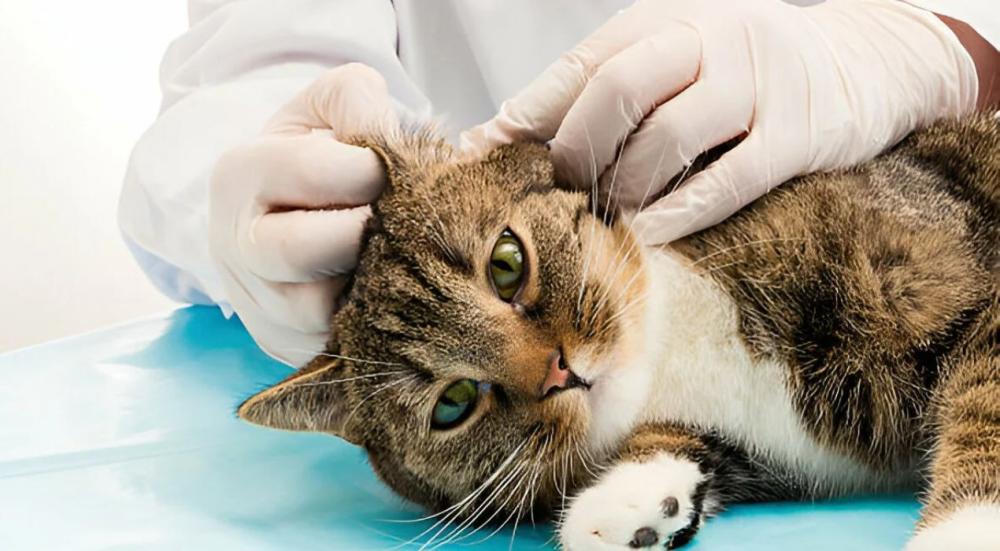

Cat mites are one of the most common skin problems among both domestic and stray cats. These microscopic parasites typically live inside the ear canal or on the skin, feeding on wax and oils. Cat mites cause intense itching and discomfort for the animal, and can lead to chronic ear infections if not treated promptly.
Understanding the causes, symptoms, prevention, and treatment of ear mites in cats will help protect your cat from this annoying parasite. While not fatal, ear mite infestation is highly contagious and can easily spread between cats or even between cats and dogs living in the same house.
In this article fromHamtaro Cat & Pet Supplies, we will take you on a comprehensive tour to understand mites in cats from all aspects, from causes to symptoms, treatment methods, diagnosis, and best tips for protection.
What are ear mites in cats?
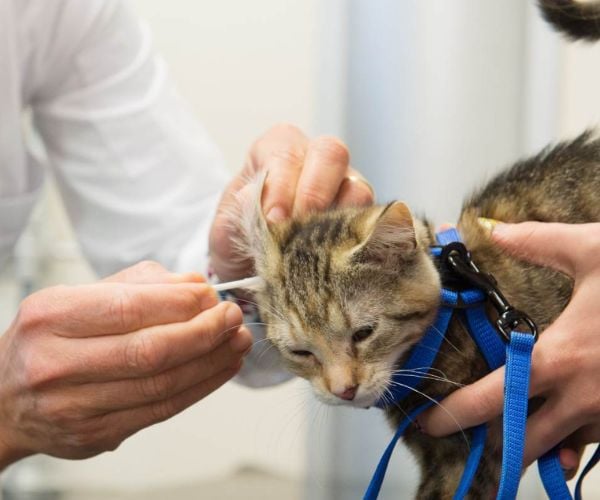
Cat ear mites, scientifically known as Otodectes cynotis, are a type of microscopic arachnid invisible to the naked eye, yet they cause significant discomfort. These mites live in the cat's ear, feeding on wax and skin cells, leading to severe irritation and recurrent inflammation.
Ear mites in cats are easily transmitted through direct contact between animals, so cats that share living spaces or play with other animals are more susceptible to infection. Mites can also be transmitted in cats through contaminated bedding or unclean grooming tools.
Causes of cat mites
There are several factors behind the causes of cat mites, some environmental and some related to immunity or hygiene. The most prominent causes of mites in cats are the following:
- Contact with infected animals: Cats that come into contact with other infected cats or dogs are at high risk of becoming infected.
- Crowded environments: The presence of many animals in one place facilitates the transmission of mites.
- Weakened immunity: Sick or weak cats are more susceptible to skin parasites.
- Poor hygiene: The accumulation of dirt and wax in the ear creates a fertile environment for the reproduction of ear mites in cats.
- Outdoor exposure: Cats that go out to the street or parks a lot are at risk of picking up cat mites from other animals.
These are the most common causes of ear mites in cats, and attention should be paid to them to reduce the chances of infection.
Symptoms of cat mites
Symptoms of cat mites begin to appear quickly after infestation, and are often obvious to the owner who is careful to monitor their cat's behavior. The most prominent symptoms of mites in cats include:
- Severe itching: The cat constantly scratches its ear and head.
- Frequent head shaking: a sign that the cat is trying to get rid of the discomfort inside the ear.
- Accumulation of black secretions: resembling ground coffee, this is a sign of mites in cats' ears.
- Foul odor: a result of inflammation and heavy secretions.
- Swelling and sores around the ear: due to constant scratching and scraping.
- Redness of the ear canal: a result of acute inflammation.
If you notice these symptoms of ear mites in cats, it is essential to go to the veterinarian immediately before the condition worsens.
Damage caused by cat mites
The damage caused by cat mites includes complications of chronic inflammation and persistent itching. Neglecting to treat cat mites can lead to secondary bacterial or fungal ear infections, and sometimes even a ruptured eardrum. Cat mites can also cause...
Hair loss around the ear and head due to excessive scratching. Ignoring the symptoms of ear mites in cats can cause the infection to spread to other parts of the body, such as the neck and chin, making it more difficult to control later.
Diagnosing ear mites in cats
The veterinarian uses an otoscope to check for mites in the cat's ear. In some cases, a sample of earwax is taken and examined under a microscope to clearly see the shape of the mites or their eggs in the cat's ear.
The doctor can also confirm the shape of the cat mites via microscopic swab, which helps to confirm the diagnosis and rule out other similar diseases.
treatment for cat mites
Treating cat mitesisessential and fast-acting when the correct steps are followed. The treatment includes multiple stages:
- Ear cleaning:The first step in treating ear mites in cats is to clean the ear thoroughly to remove dirt and wax that prevents the medication from reaching it. A cleaning solution specifically for cats can be used.
- Topical medications:Drops or ointments containing antiparasitic agents are used to kill ear mites in cats directly inside the ear.
- Systemic medications:In advanced cases, the doctor may prescribe injections or oral medications effective against cat mites.
- Follow-up treatment:It is important to continue treatment even after symptoms improve, because cat mites can return if they are not completely eradicated.
Treatment for cat mites from a human pharmacy
Some owners resort to treating cat mites with human pharmacy products when veterinary products are not readily available, but extreme caution is advised. It is not recommended to use any medication without consulting a doctor, as some human ingredients may be toxic to cats.
However, there are ointments containing safe substances such as ivermectin that can be used in specific doses to treat cat mites under the supervision of a doctor.
Ear mite cleaning for cats
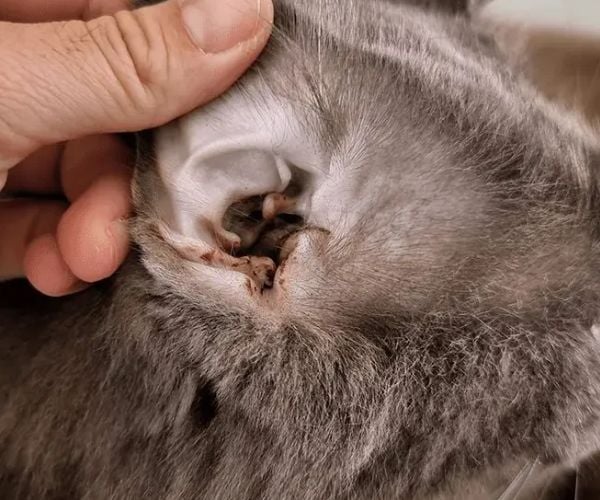
Cleaning the ears of cats is an essential step in both prevention and treatment. This is done by:
- Use a cleaning solution specifically designed for cats.
- Avoid cotton swabs as they may push dirt further inside.
- Clean the ear twice a week during the treatment period.
Regularly cleaning a cat's ear of mites helps prevent recurrent infections and makes medication more effective.
Mite medicine for cats
There are many types of mite medication for cats, such as topical drops (Revolution, Advocate, Otomite), which kill the parasites and prevent their return.
As for ear mite medication for cats, it can be topical or systemic depending on the case. Ear mite medication for cats should be used strictly according to the doctor's prescription, with cleaning the surrounding environment to prevent reinfection.
pregnant cat mites
Pregnant cats are at particular risk from cat ear mites because their immune system is weaker. It is important to choose a safe cat mite treatment during pregnancy and avoid strong or fetal-toxic drugs. Natural ear cleaners and mild ointments can only be used under veterinary supervision.
Can cat mites be transmitted to humans?
Despite widespread concern, cat mites do not transmit to humans. These parasites specialize in living inside the ears of cats and dogs and cannot survive on human skin. However, in very rare cases, they may cause mild itching that disappears quickly.
Prevention of cat mites
Prevention is always better than cure. Here are the most important tips to avoid mites in cats:
- Clean the ear weekly with a gentle solution.
- Use monthly preventative treatments.
- Check new cats before bringing them into the house.
- Wash bedding and toys regularly.
- Strengthening immunity through good nutrition.
Products from Hamtaro Cat Ear Care Store
AtHamtaro,you will find everything you need to treat ear mites in cats and take care of your cat's health on an ongoing basis. Safe ear cleaners, antiparasitic drops, and professional cleaning tools are all available through thecat health care section. Hamtaro also provides a range of healthy foods that boost the cat's immunity and reduce the likelihood of parasite infection.
Frequently asked questions about cat mites
How long does it take to treat cat mites?
Treatment usually lasts from two to three weeks depending on the severity of the injury and the cat's response.
Can ear mites return after treatment?
Yes, cat mites may return if they are not completely eradicated or if the cat is exposed to other infected animals.
How do I know if my cat is cured of ear mites?
The itching stops, the secretions and odor disappear, and the ear becomes clean.
Can ear mites cause hearing loss?
In neglected cases, chronic inflammation may lead to hearing loss or a ruptured eardrum.
What is the difference between ear mites and fungal infections?
Fungal infections are not as contagious as ear mites in cats and produce discharges of different colors.
Can cat mites be treated at home?
Help can be given with cleaning and home care, but drug treatment should be under the supervision of a doctor.
What are the symptoms of mites in kittens?
Kittens are more sensitive, exhibiting itching, frequent head shaking, and black spots in the ear.
Does food affect the spread of mites?
A good diet strengthens the immune system, reducing the chances of infection with cat mites.
What do cat mites look like?
Cat mites look like tiny white dots or moving dust inside the ear, and are often not visible to the naked eye.
What is the best way to clean ear mites in cats?
Using a special cleaning solution, gently wipe the ear with a damp cloth without inserting swabs.
Can dog medicine be used on cats?
No, some dog medicines are very toxic to cats and should be avoided altogether.
Are mites dangerous for adult cats?
Older cats are more prone to recurrent infections if their ears are not cleaned regularly.
In conclusion, cat mites are a common problem but are easily treatable with early diagnosis and attention to hygiene and regular care. Adhering to an ear cleaning schedule, regular veterinary checkups, and using appropriate ear mite medication for cats are all important.
With balanced nutrition and guaranteed products fromHamtaro store, your cat's health and happiness are guaranteed. Always remember that prevention is better than cure, and careful observation of your cat's behavior can save her a lot of pain and suffering.