
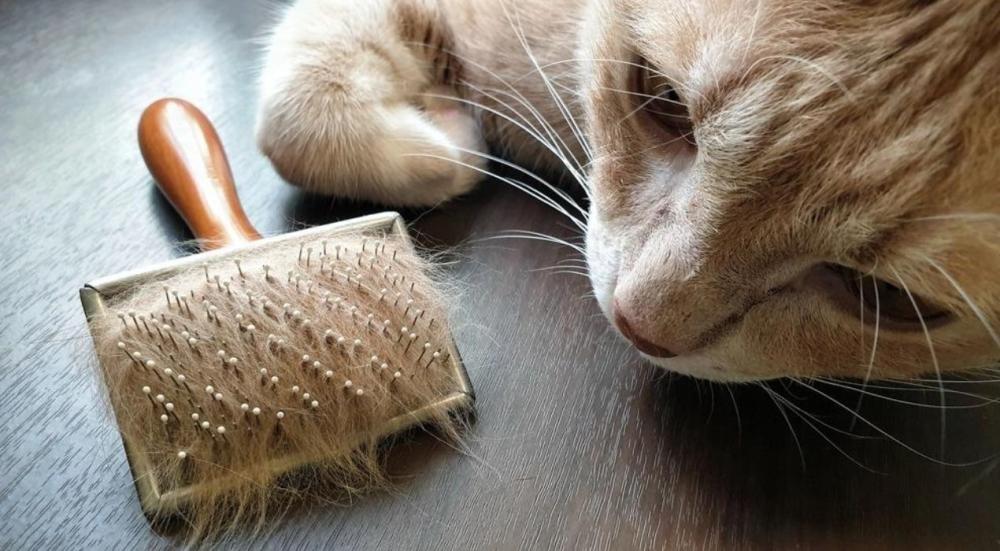

Hairballs are a common health problem among domestic cats, especially long-haired breeds like Persians and Shiraz. Cats ingest hair while grooming themselves, leading to the formation of hairballs in their digestive system.
Although this condition may seem simple, neglecting it can lead to intestinal obstruction and serious complications. In this article, we will explain the symptoms of hairballs in cats, their causes, and ways to treat hairballs in cats at home, with a recommendation for the best products fromHamtaro storeto treat hairballs effectively and safely.
What are hairballs in cats?
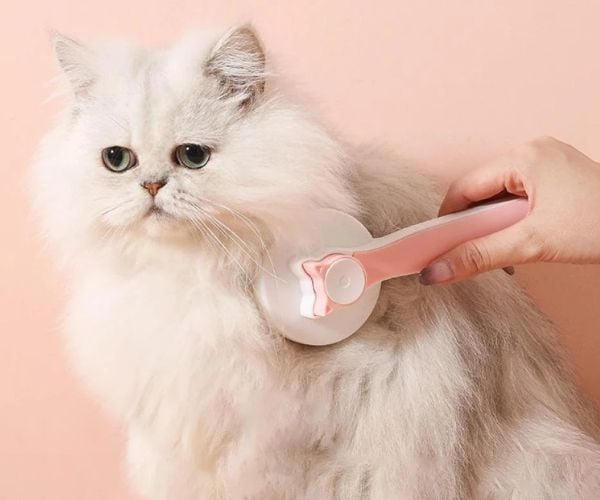
Cat hairballs are defined as clumps of fur that accumulate in the stomach as a result of the cat swallowing hair while grooming itself; most of these hairs pass through the digestive system easily.
But sometimes they stick together, forming a hairball in cats. The hairballs in cats usually appear in vomit as a dark-colored cylindrical or fibrous mass.
Causes of hairballs in cats
Some of the main causes of hairballs in cats include:
- Excessive cleaning of the fur and swallowing hair in large quantities.
- Seasonal hair loss, especially in spring and autumn.
- Weak bowel movements or chronic constipation.
- Malnutrition and lack of fiber in the diet.
- Drinking too little water increases dryness of the digestive system.
- Skin problems or itching cause the cat to lick itself too much.
Symptoms of hairballs in cats
When hairballs begin to accumulate in a cat's stomach, certain characteristic symptoms appear, including:
- Frequent vomiting accompanied by remnants of hair or food.
- Coughing or choking while trying to get rid of a hairball in cats.
- Loss of appetite or decreased desire to eat.
- Abdominal bloating or difficulty defecating.
- The cat's activity is noticeably lethargic and sluggish.
- The appearance of hairballs in the vomit of cats is cylindrical in shape and dark in color.
Types of hairballs in cats
The types of hairballs in cats vary depending on their composition within the digestive system:
- The slimy balls (herbolites):They accumulate with mucus inside the stomach.
- Dry balls (coelopeth):They break down easily but may cause intestinal obstruction.
- Large balls (Trichobezoar):These are the most common and result from the accumulation of long hair.
The best treatment for hairballs in cats
Treatment for hairballs in cats depends on the severity of the condition, and treatment methods include:
- A laxative specifically formulated to treat hairballs in cats to help pass the mass through the intestines.
- Treating hairballs in cats at home through fiber-rich foods.
- Brush the cat daily to reduce the amount of hair swallowed.
- Providing customized meals such as Herbol for cats, which is rich in herbs.
- Make sure the cat drinks enough water daily.
Hamtaro's best hairball treatment products
Carnilove dry food for adult cats to control hairballs in the stomach

A unique product that helps get rid of hairballs in cats thanks to its formula rich in natural fibers and antioxidants, promotes digestive health and maintains the shine and freshness of the fur.
Features:
- It is rich in fiber, which facilitates the passage of hair from the stomach.
- It contains high-quality natural proteins.
- Free from grains and harmful artificial substances.
- It strengthens the immune system and improves digestion.
- It reduces vomiting caused by hairballs in cats.
- Suitable for adult cats of all breeds.
Jim Cat herbal food for getting rid of hairballs
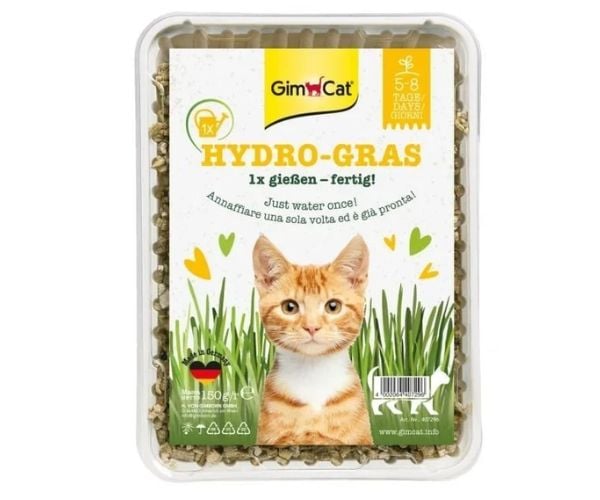
A perfect snack to eliminate cat hairballs naturally, it contains special herbs that help move hair easily through the digestive system and prevent its accumulation.
Features:
- A completely natural formula rich in fiber.
- It helps to smoothly remove hairballs in cats.
- The delicious taste makes cats love it easily.
- It promotes digestive health and reduces constipation.
- Suitable for everyday use with complete safety.
- A product recommended by veterinarians and available exclusively at Hamtaro Store.
Cat comb, pressure-sensitive comb for brushing cat hair
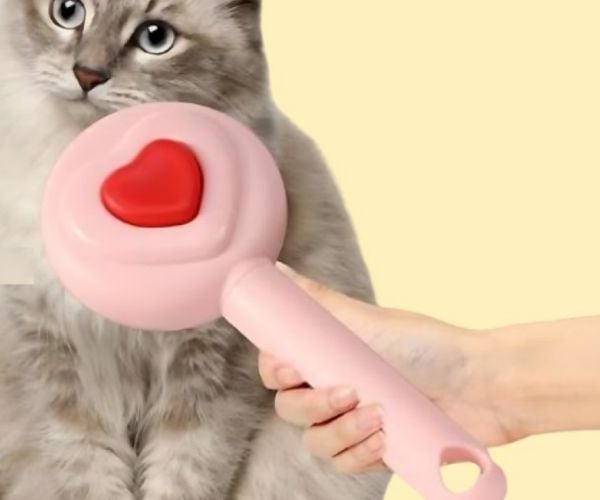
The HamtaroCat Squeezer Comb helpsremove dead and loose hair before the cat ingests it while grooming itself, reducing the risk of hairballs in cats and keeping the fur shiny and clean:
Features
- It effectively removes dead hair and reduces hair loss.
- It prevents the formation of hairballs in cats thanks to the pre-removal of excess fur.
- Safe and gentle on a cat's skin thanks to its rounded heads.
- A comfortable handle that is easy to use during daily combing.
- Suitable for all types of fur (short and long).
- Available in multiple colors that add an aesthetic touch tocat grooming tools.
Preventing hairballs in cats
To avoid the appearance of hairball symptoms in cats from the beginning, the following tips can be followed:
- Clean and brush the cat regularly.
- Offer fiber-rich foods such as Carnilove products.
- Provide plenty of clean water to prevent dehydration and constipation.
- Use the preventative hairball treatment for cats once a week.
- Reduce stress in cats because anxiety increases excessive licking behavior.
The difference between hairballs and normal vomit in cats
Some cat owners mistakenly confuse normal vomit with hairballs in cats. Normal vomit often contains food remnants or liquids, while a hairball in cats is a solid or cylindrical mass made up solely of hair, often accompanied by coughing or repeated vomiting before it is expelled.
The difference between hairballs and other digestive problems: It is important for breeders to distinguish between hairballs in cats and other digestive problems such as gastritis or food poisoning. Unlike gastritis, hairballs in cats are associated with shedding seasons and are often not accompanied by diarrhea or fever.
Digestive problems, on the other hand, are accompanied by symptoms such as diarrhea, weight loss, or vomiting after every meal. Therefore, it is always preferable to have the cat examined by a doctor if the symptoms recur for more than two days to accurately determine the cause.
Are hairballs dangerous for cats?
While not dangerous in mild cases, hairballs can cause intestinal obstruction if left untreated. Prolonged hairball symptoms or loss of appetite in cats warrant immediate veterinary intervention to prevent complications.
When do hairballs become an emergency requiring a visit to the veterinarian?
In some cases, hairballs in cats can develop to a point requiring urgent medical intervention. If you notice the following symptoms, you should immediately consult a veterinarian:
- The cat did not vomit despite her continuous attempts.
- Stop eating and drinking for more than 24 hours.
- Severe abdominal swelling or pain upon touch.
- Unusual lethargy or difficulty breathing.
- The presence of blood in vomit or stool.
These signs may indicate an intestinal obstruction caused by cat hairballs, a serious condition that may require immediate surgical intervention.
The best natural foods to reduce hairballs in cats
Besides ready-made treatments, there are some natural ingredients that can be added to a cat's diet to reduce the appearance of hairballs, such as:
- One teaspoon of olive oil per week to improve digestion.
- Pieces of cooked zucchini or squash to provide fiber.
- Foods rich in taurine, such as well-cooked chicken or fish.
- Always provide clean water to facilitate the passage of hair through the intestines.
These natural supplements help reduce the need for drug treatment and promote overall digestive health.
The importance of water in preventing hairballs
Insufficient water intake is one of the main causes of hairballs in cats, as dehydration leads to slower bowel movements.
Using a running water fountain is recommended to encourage the cat to drink regularly.
Alternatively, add a little natural chicken broth to the water to stimulate it, and wet foods can be included in the diet to support internal hydration and reduce the chances of hairballs forming in cats.
The role of regular brushing in reducing hairballs
Daily brushing with a dedicated brush fromHamtarosignificantly reduces the amount of hair swallowed while the cat is grooming itself.
It is recommended to brush long-haired cats twice a day, while once a day is sufficient for short-haired cats. Special wipes can also be used to remove excess hair and prevent it from sticking to the fur.
Types of fur most prone to hairball formation
Not all breeds are equally prone to hairballs in cats.
- Persian and Shiraz cats are among the most susceptible breeds due to the length and density of their fur.
- British Shorthair cats are less prone to hair loss but still need regular brushing.
- Siamese and Bengal cats usually suffer rarely due to the softness of their hair and the speed with which their fur regenerates.
The most frequently asked questions about hairballs in cats
Can hairballs in cats be treated at home?
Yes, this can be done through fiber-rich foods and a laxative specifically designed to treat hairballs in cats.
Is treating herpetiform encephalopathy in cats safe?
Yes, provided that products intended for cats are used only and not from a human pharmacy.
How often do cats suffer from hairballs?
They may appear once a month in long-haired cats, while they are less common in short-haired breeds.
Can hairballs cause loss of appetite?
Yes, it affects the stomach and causes a constant feeling of fullness.
Is there a relationship between hair loss and hairballs?
Absolutely, the more hair you lose, the more likely it is that balls will form.
Are hairballs dangerous for kittens?
They may be more dangerous than adults because they cause faster intestinal blockage.
What is the best food to prevent hairballs?
Carnilove products for controlling stomach hairballs fromHamtaro storeare the perfect choice as they contain high-quality natural fibers.
Hairballs in cats are not just a simple problem; they require careful monitoring and special care, along with a proper diet, regular cleaning, and the use of effective products like Carnilove and Gim Cat from Hamtaro store.
You can ensure your cat's comfort and health, and reduce the appearance of hairball symptoms in cats.Health care for catsstarts with small details, so always make sure to provide the best for your pet friend.