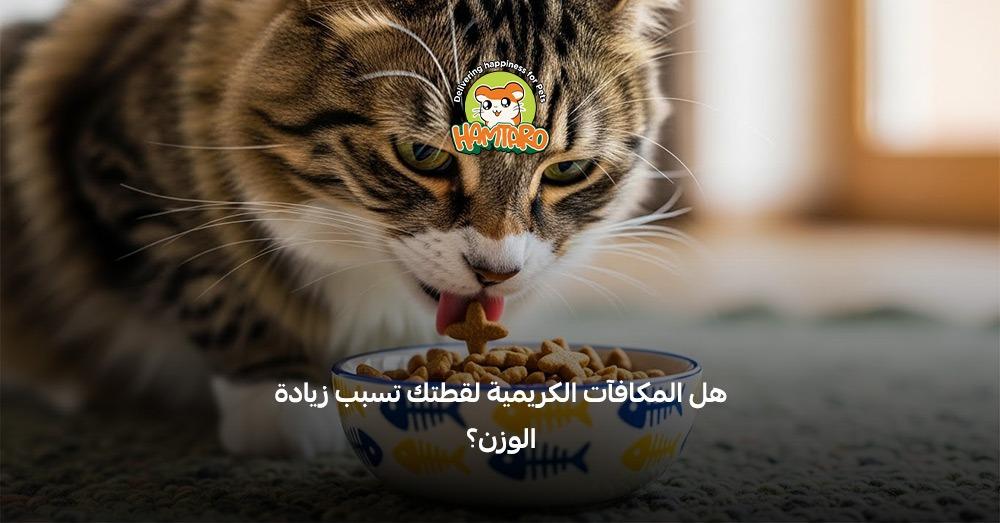
Creamy treats are a great way to show love and reinforce positive behavior, but the question is, do these enjoyable moments come at a healthy price? And how do we balance making our cat happy with maintaining its ideal weight?
In this article, we will answer all your questions about cat cream treats, their relationship to weight, and how to choose the right type that suits your cat's needs.
Do creamy treats contribute to weight gain in cats?
The short answer is: Yes, if given in large quantities or daily without counting.
Creamy treats contain extra calories and are often high in fats and simple sugars that give them that desirable creamy texture. When these calories accumulate without sufficient activity, the problem begins.
Key points to understand:
- An average-sized adult cat needs 200-250 calories per day depending on its activity level.
- One sachet of creamy treats (approximately 15 grams) contains 10-20 calories
- If you give your cat 3-4 sachets a day, you are adding approximately 10% to its daily calorie requirement.
- This percentage accumulates over the weeks and gradually leads to weight gain.
Obesity in cats is not just an aesthetic problem; it affects the health of the joints, heart, and liver, and may lead to serious diseases such as diabetes and arthritis.
How do rewards affect kitten food?
Kittens in the growth stage need a balanced and precise diet to support the growth of bones, muscles, and vital organs, and giving treats randomly may disrupt this balance.
What you should know about treats and kittens:
- Food for kittensshould make up 90-95% of their daily calories, with treats only 5-10%.
- Kittens are more sensitive to the quality of ingredients, so low-quality treats may cause digestive problems.
- Excessive rewards reduce a kitten's appetite for its protein-rich main meals.
- Some creamy treats contain preservatives or artificial colors that are unsuitable for a developing digestive system.
The best thing for kittens is to focus onFeed kittens healthy foodas a staple meal, and use rewards wisely as a training tool only.
What is the difference between health rewards and regular rewards?
Not all cat cream treats are created equal in quality and health effect, and knowing the difference helps you make a better decision.
Healthy rewards are characterized by:
- A short and clear list of ingredients (natural meats, fish, healthy fats)
- High protein content from animal sources (chicken, tuna, salmon)
- Free from or low in excess sugars and carbohydrates
- It does not contain artificial colors or strong chemical flavors.
- Relatively fewer calories (less than 15 calories per sachet)
Regular rewards often include:
- Derived or unclearly sourced components
- High percentage of carbohydrates and starches
- Added sugars to improve taste
- Artificial colors and flavors to attract the cat's attention
- Higher calories due to saturated fats
When choosing the best creamy cat treats, read the ingredients first before looking at the price or the attractive packaging.
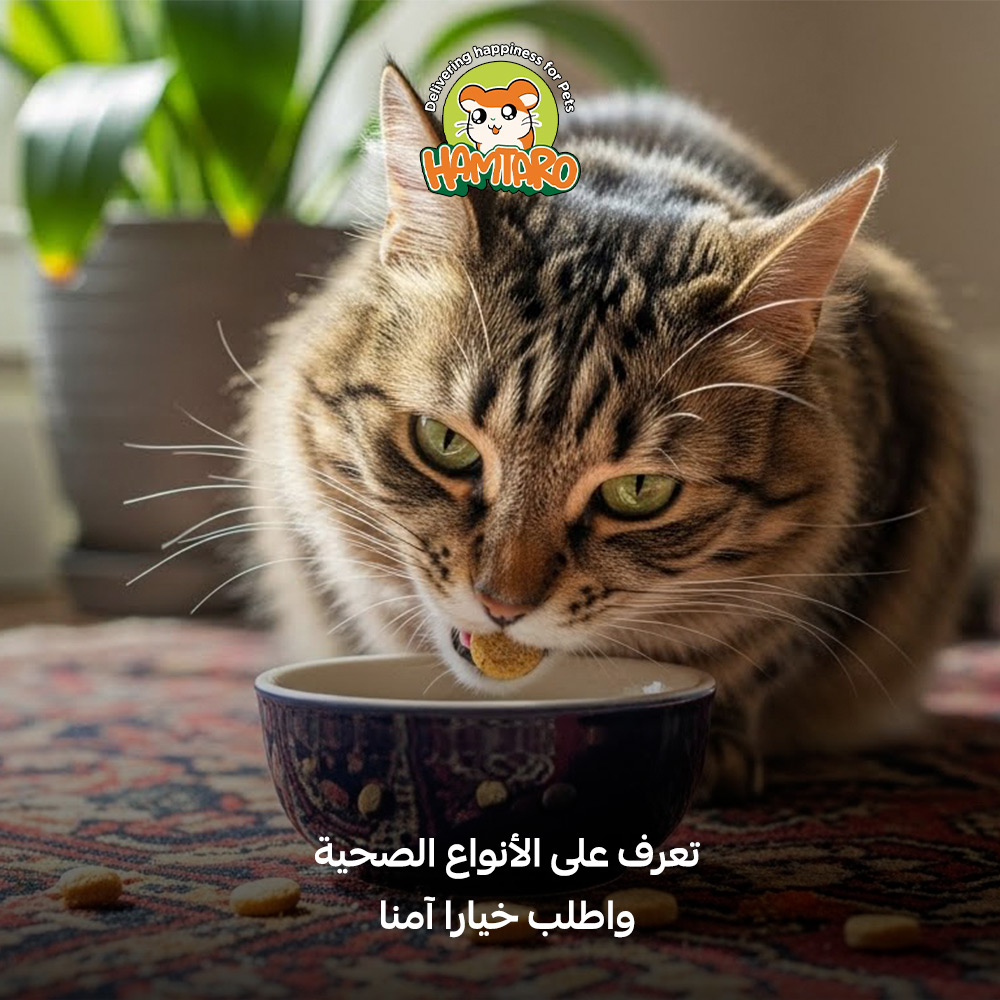
Can treats be included in the daily food of kittens?
Yes, but with clear conditions and controls that preserve the health of your kitten.
The golden rules for including bonuses:
- The amount of rewards should not exceed 5% of total daily calories.
- Use it as a reward for a specific behavior (using the sandbox, staying calm at the doctor's, training).
- Never give it as a substitute for main meals.
- Choose treats appropriate for the cat's age (some types are designed for +3 months or +6 months).
- Monitor your cat's weight weekly; if you notice an abnormal increase, reduce the amount of food.
Remember that choosingProper food for kittensis the foundation, and rewards are just a motivating addition.
How do I choose healthy treats within the kitten's food?
The right choice starts with understanding your cat's nutritional needs and carefully reading product labels.
Steps for making a smart choice:
- Check the first ingredient:it must be real meat (chicken, tuna, salmon) and not derivatives or flour.
- Look for the protein content:ideally 8% or more in wet treats.
- Avoid excess sugar and salt:it may be labeled as "dextrose," "caramel," or "high sodium."
- Choose trusted brands:such as Inaba Churu, Sheer, Kit Kat from authorized retailers
- Look at the calories:the lower the better, especially if your cat is inactive.
When purchasing kitten food products or treats, make sure to choose a store that offers genuine and fresh products.
Should the calories from treats be calculated from the kittens' basic food?
Yes, absolutely, and neglecting this point is the main reason why cats gain weight without the breeder noticing.
How to balance calories practically:
- Calculate your cat's daily calorie needs (consult your veterinarian or use available calorie calculators).
- If you give your cat 3 treat bags (about 45 calories), reduce its main meal by the same percentage.
- Don't rely on guesswork; weighing food on a kitchen scale is much more accurate.
- Observe the cat's body shape: you should feel its ribs when touching them without seeing them clearly.
- If you feel a thick layer of fat, immediately reduce food and rewards.
What are the signs of weight gain that appear in kitten food?
Monitoring your kitten's weight is essential, especially in the first year of its life when growth is rapid.
Warning signs of weight gain:
- Difficulty feeling the ribs when running your hand along their side
- Appearance of a sagging fatty lump in the lower abdomen
- Less activity and movement compared to before
- Difficulty jumping or cleaning herself
If you notice any of these signs, review the daily food intake and treats, and consult your veterinarian to develop an appropriate feeding plan.
How can I give treats without affecting the kittens' food?
There are clever strategies that allow you to make your cat happy without harming its health.
Ways to offer rewards intelligently:
- Timing:Give rewards between meals, not right before them, so as not to lose her appetite.
- Divide:Divide one bag into two or three parts throughout the day.
- Occasions only:Allocate rewards for achievements (success in training, doctor visit, nail trimming)
- Healthier alternatives:Try freeze-dried treats that contain nearly pure protein.
- Activity first:Play with your cat before giving her the treat, so she burns calories and deserves the reward.
Controlling the quantity and timing transforms rewards from a random habit into a healthy educational tool.
Are there healthy alternatives to creamy treats in kitten food?
Certainly, variety is beneficial, prevents boredom, and provides better nutritional value.
Smart and nutritious alternatives:
- Boiled meat pieces:Chicken or fish boiled without salt or spices, cut into small pieces
- Dried treats:Contain concentrated protein and fewer calories than creamy ones
- High-quality wet food:A teaspoon of healthy cat food can be a great treat
- Dried liver:rich in vitamins but in very small quantities (once a week)
- Catnip herbs:A non-food treat that delights cats without calories
Varying between creamy treats and healthy alternatives ensures a better nutritional balance for your cat.
When should creamy treats be avoided in kitten food?
There are certain situations in which rewards should be completely avoided or greatly reduced.
Situations that require caution:
- Is your cat clearly overweight or has been diagnosed with obesity?
- She has digestive problems such as diarrhea or frequent vomiting.
- She suffers from food allergies to certain ingredients (chicken, fish, dairy).
- A newly neutered cat (needs a special diet to avoid rapid weight gain)
- Less than 8 weeks (the digestive system is still very sensitive)
In these cases, consult your veterinarian before introducing any treats, and adhere to a therapeutic diet if prescribed.
Practical tips for using treats while maintaining the healthiness of kitten food
To ensure your cat benefits from the treats without harm, here are tried and tested tips from experienced breeders:
Golden tips:
- Buy rewards in small individual bags instead of large packages to control the quantity.
- Read the ingredients label every time, even if you have bought the same product before (companies sometimes change the formula).
- Don't always give rewards directly from your hand; use interactive games occasionally to stimulate their activity.
- Record the amount of daily rewards in an app or notebook to monitor the total amount.
- Don't give in to your cat's sad looks; true love lies in maintaining her health, not in satisfying her fleeting desires.
The balance between pleasure and responsibility is key to a healthy relationship with your pet. Generous rewards can be a healthy and lovable part of your cat's life, but the key is moderation and smart choice. Remember that true love for your cat is shown in your concern for its long-term health, not in gratifying its momentary desires without consideration.
Frequently Asked Questions
What is the best type of food for kittens?
The best type is kitten formula food, rich in animal protein, and containing taurine, omega-3 fatty acids, and calcium to support growth. Alternating between dry and wet food is essential to provide hydration and balanced nutrition.
How many meals do kittens need per day?
Kittens aged 2 to 6 months need 3-4 meals a day, spaced regularly. After 6 months, this can be reduced to 2-3 meals. The quantity depends on weight and activity level, so consult your veterinarian to determine the appropriate amount.
Can kittens eat adult cat food?
This is strongly discouraged. Adult cat food does not contain the protein, calories, and vitamins that kittens need during their growth phase. This can lead to nutritional deficiencies that affect bone and muscle development.
How can I support the growth of kittens through food?
Choose foods rich in protein (at least 30%), containing taurine for heart and eye health, DHA for brain development, and calcium and phosphorus for bone growth. Ensure you always have access to clean water, and consult your doctor about the need for vitamin supplements.
Are wet foods better than dry foods for kittens?
Both are important and complement each other. Wet food is excellent for hydration and supporting the urinary system, while dry food helps clean teeth and provides concentrated nutrition. Ideally, a mix of both should be used depending on your cat's needs, keeping in mind that some cats prefer one over the other.
Ready to choose the best products for your cat?
Visit Hamtaro Store now and explore a wide range of health rewards, and everything you need to care for your favorite pet with the best quality and competitive prices, with fast and reliable delivery service throughout the Kingdom!