

The postpartum period is considered one of the most important stages in a mother cat's life, as she bears the responsibility of nursing her kittens and providing them with sufficient milk during the first weeks of their lives. During this period, her nutritional needs increase significantly, so choosing the right food for nursing cats becomes crucial for their health and the health of their kittens.
Paying attention to the food of nursing cats not only helps to maintain their energy and strength, but also ensures that the kittens get all the important nutrients through their mother's milk. For this reason, many cat breeders seek to know what the optimal food is for nursing cats, and how to prepare a feeding schedule for nursing cats in a correct and balanced way.
The importance of nutrition after childbirth
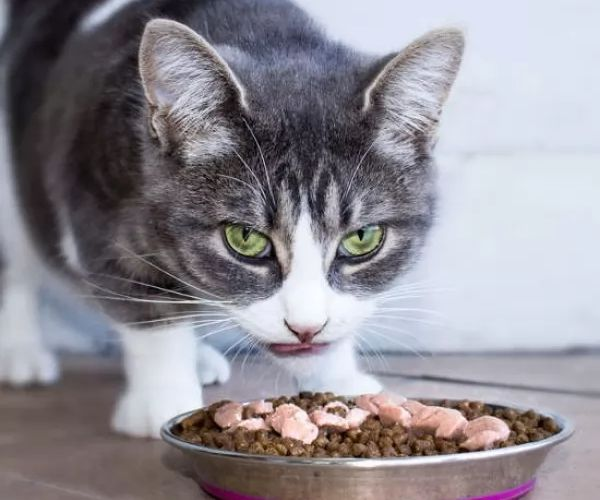
Immediately after giving birth, the mother cat begins a new and challenging phase, requiring double the energy compared to the pregnancy period, as the process of milk production...
Cats consume a large amount of nutrients, and for this reason, choosing food for lactating cats that is rich in essential nutrients is necessary to support their health and ensure that their kittens remain safe.
Why is focusing on the food of nursing cats necessary?
- Milk production:Milk is the only source of food for kittens in their first few weeks. If the mother does not receive nutritious food for nursing kittens, milk production may decrease or its quality may decline.
- Maintaining the mother's weight:Some mothers lose a significant amount of weight after childbirth due to breastfeeding. Good nutrition prevents wasting and exhaustion.
- Supporting the immune system:A balanced diet protects the mother from diseases, and therefore protects the young as well.
- Proper growth of kittens:What the mother eats is directly reflected in the composition of her milk, which affects the health of the kittens.
Nutritional needs of a lactating cat
It is important to know that a nursing cat not only needs more food, but also the best food for nursing cats that contains higher proportions of protein, energy and vitamins.
protein
- Protein is an essential element in the diet of lactating cats because it supports tissue building and milk production.
- The protein content in the food intended for a nursing cat should be higher than 30%.
- Foods rich in protein: chicken, fish, eggs, as well as high-quality ready-made foods.
fats
- Fats are a major source of energy.
- Food for nursing cats should contain healthy fats that help keep the mother active and provide the milk with the energy needed for her young.
- Examples of beneficial fats include omega-3 and omega-6 fatty acids.
Calcium and phosphorus
- One of the most important minerals that a lactating cat needs to produce milk and strengthen her bones.
- Calcium deficiency can lead to serious health problems such as milk fever.
Vitamins
- Vitamins A and D are essential for promoting the health of the immune system of the mother and her young.
- Vitamin E protects against oxidative stress.
- The food should be rich in a balanced mix of vitamins.
Water
- We cannot talk about the food of nursing cats without mentioning water.
- A nursing cat needs to drink large amounts of water because milk is mostly made up of water.
What is the appropriate food for nursing cats?
Many breeders ask an important question: What is the best food for nursing cats for the health of the mother and her kittens?
The answer depends on the type of food, the quantity, and the feeding schedule.
Wet food for nursing cats
- Wet food is an excellent choice because it has a high water content.
- It helps to moisturize the cat's body and encourages it to eat more.
- Wet foods often have a delicious taste, which encourages the cat to eat even if it is tired from nursing.
Dry food for lactating cats
- Dry food contains a higher concentration of nutrients.
- Practical and easy to store.
- It can be left in front of the cat all day so she can eat when needed.
High-quality food
- It is always preferable to choose nutritious food for lactating cats from trusted brands.
- The food should be rich in protein, fats, vitamins and minerals.
- Hamtaro Storeoffers a wide variety of the best food for nursing cats, both dry and wet, making it the perfect choice for any breeder looking for quality.
Feeding schedule for nursing cats
It is important to organize a feeding schedule for nursing cats to ensure that the mother gets enough food.
The first week after birth
- Small, frequent meals (4–5 times a day).
- High-quality wet + dry food.
Weeks two and three
- Increase the quantity by 50% compared to the usual quantity.
- Serve protein-rich foods such as chicken and fish.
Week 4 until weaning
- Dry food can be left available throughout the day.
- Continue to serve wet food as a staple meal.
Best food for lactating cats
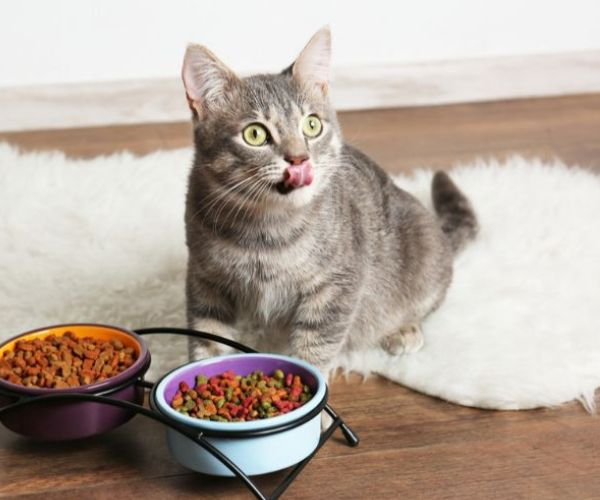
Choosing the best food for lactating cats varies depending on each cat's needs and health conditions, but there are basic criteria that should be focused on:
- Rich in protein: Protein is the building block of milk.
- High-calorie food: A nursing cat needs more calories than a regular cat.
- Easy to digest: The food should be easy to digest so as not to overburden the cat's stomach.
- Variety: Combining wet and dry food is an ideal option.
Food that is beneficial for nursing cats
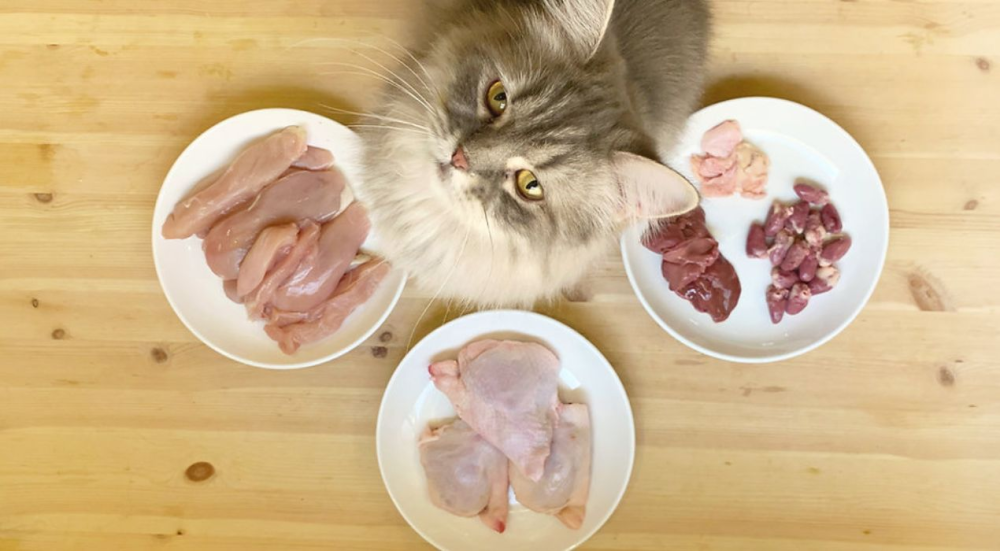
Food that is beneficial for nursing cats is not limited to ready-made foods, but can include some natural foods cooked at home, but always under veterinary supervision.
Natural foods that can be offered to cats
- Boiled chicken without spices.
- Well-cooked fish (without bones or salt).
- Boiled eggs (in moderate quantities).
- Cooked vegetables such as zucchini and carrots (only small additions).
These foods are considered a supplement to the food of lactating cats and do not replace high-quality commercial foods.
Foods forbidden for nursing cats
It is important to know which foods to avoid when setting a feeding schedule for nursing cats, as they may harm the mother or her kittens through the milk.
- Chocolate.
- Onions and garlic.
- Grapes and raisins.
- Salty or spicy foods.
- Cow's milk (causes diarrhea in cats).
- Very fatty or fried foods.
What is the ideal daily food for nursing cats?
When asked, "What is the ideal food for nursing cats?" the answer is a combination of:
- High-quality dry food (Kitten food).
- Moist food rich in protein.
- Nutritional supplements when needed (under veterinary supervision).
- Clean water is always available.
In this way, we ensure that the mother gets all the nutrients she needs to produce sufficient and good quality milk.
Organizing a feeding schedule for nursing cats
It is important to explain how a cat owner can organize a feeding schedule for nursing cats:
- From birth until the third week: wet + dry food specifically for kittens, meals approximately every 4 hours.
- Week 4 until weaning: Always leave dry food available, offer at least two wet meals per day.
- After weaning: Gradually returning to the adult cat's schedule.
Hamtaro's role in providing food for nursing cats
Choosing food for nursing cats can be confusing for some owners, butHamtaro Cat Suppliesoffers:
- A wide selection of the best food for lactating cats (wet food + dry food).
- Products from trusted brands that are rich in proteins and vitamins.
- Options to suit all budgets with a quality guarantee.
- Tips from experts to help breeders choose nutritious food for lactating cats.
When you visit the cat food section at Hamtaro, you will find everything you need in terms of ideal products to meet the needs of the mother cat and her kittens.
Common problems due to poor nutrition in lactating cats
- Reduced milk production: if the mother does not get the best food for lactating cats.
- Severe weight loss: a result of insufficient protein and energy.
- Stress and weakened immunity: This exposes her and the kittens to diseases.
- The growth of kittens is delayedbecause the mother's milk will not be sufficient.
General tips for feeding lactating cats
- Provide high-quality food specifically designed for mothers or kittens.
- Do not leave the mother without fresh, clean water.
- Increase her meals gradually instead of making a sudden increase.
- Monitor her weight and physical condition regularly.
- Consult your veterinarian if you notice a decrease in milk production or loss of appetite.
- Make the food varied between wet and dry to encourage her to eat.
Eating the mother cat: When and how do we start?
The birthing process consumes a great deal of energy from a cat's body, which is why it is essential that the mother cat's diet be balanced and rich in essential nutrients. Immediately after giving birth, the cat may refuse to eat for hours due to exhaustion, but it is important to offer her:
- Clean water.
- Small, easily digestible meals such as wet food.
- Eating energy-rich foods will help her regain her energy quickly.
Important tips for feeding mother cats
- A cat may need two or three times its normal calorie requirements.
- It is preferable to serve small, frequent meals rather than one large meal.
- Relying on kitten food is ideal because it is rich in energy and protein.
What happens if the mother cat does not receive proper nutrition after giving birth?
- Reduced milk production: therefore, it will not be enough for her young.
- Poor maternal health: She may appear weak, exhausted, or dehydrated.
- Problems in the growth of kittens: such as low weight and weak immunity.
- Increased likelihood of diseases: especially uterine infections or digestive problems.
This is where the breeder's role comes in, in providing the best food for nursing cats to ensure the safety of the mother and her young.
Feeding schedule for nursing cats
From birth until the third week:
- Moist food rich in protein (served 4–5 times daily).
- Dry food specifically formulated for kittens is available all day.
- Continuously clean water.
From the fourth week until weaning:
- Continue feeding the wet food while increasing the quantity.
- Dry food for kittens (Free feeding).
- Serving cooked natural foods (chicken, eggs) as additions.
After weaning
- Gradually reduce the number of meals.
- Return to the adult cat's schedule (approximately 3 meals a day).
The difference between food for pregnant cats and food for lactating cats
- Food for pregnant catsfocuses on providing extra energy to sustain the pregnancy and the growth of the fetuses.
- Feeding lactating catsfocuses on maximizing protein and calories for milk production.
- A nursing cat needs much larger quantities than a pregnant cat.
Healthy food for nursing cats from home
Besides commercially prepared meals, we can also benefit from natural homemade foods:
- Boiled chicken: rich in protein and easy to digest.
- Boiled eggs: a great source of amino acids.
- Sugar-free yogurt: in very small quantities to support digestion.
- Cooked vegetables: such as zucchini and carrots as simple additions.
But this should be a supplement and not a replacement for food intended for lactating cats.
Best nutritional supplements to accompany lactating cat food
In some cases, the veterinarian may recommend supplements to support the mother cat, such as:
- Calcium supplements to strengthen bones and teeth.
- Omega-3 supplements to support the nervous system of infants via milk.
- Multivitamins specifically for breastfeeding mothers.
Frequently asked questions about feeding nursing cats
What is the best food for nursing cats?
The best option is kitten food because it is rich in protein and energy, along with food specifically for lactating cats if available.
Can cow's milk be given to lactating cats?
No. Cow's milk causes diarrhea and digestive problems in cats.
How often should a mother cat be fed after giving birth?
4–6 times a day with small, varied meals, with dry food constantly available.
When do kittens start eating foods other than milk?
Typically at 4 weeks of age, the breeder begins to introduce wet food specifically for kittens alongside breastfeeding from the mother.
Does a lactating cat need nutritional supplements?
In some cases, yes, especially if the doctor notices a calcium deficiency or general weakness.
Feeding a cat after giving birth is not just a luxury; it's essential for her health and the health of her kittens. A nursing cat needs food rich in energy, protein, and vitamins to regain her strength and produce enough milk for her young. The more appropriate your food choices, the better.
This ensured the healthy growth of the kittens and maintained the mother's vitality. Because this stage is delicate, relying on high-quality products like those offered byHamtarogives you the confidence that you are providing your cat with the best possible care. Proper nutrition today means a strong mother and healthy kittens tomorrow.