


That moment of silence when you pass by the trash can and feel grateful that there is no unpleasant smell, or the moment of annoyance when you find traces of sand scattered in every corner of the house.
These simple, everyday situations determine the quality of your life with your cat, and a decision that may seem simple - choosing the right type of litter - has a direct impact on your comfort, the cleanliness of your home, and the health of your cat.
In the world of cat owners in Saudi Arabia, there are often lengthy discussions aboutcomparingdifferent types of cat litter. Some swear by the effectiveness of silica, while others remain loyal to traditional clay. But what makes one type better than another? Let's explore this topic in depth, without getting bogged down in complexities, focusing on practical facts to help you make the right decision.
Understanding the nature of each type of sand
Silica sand: modern technology
Silica sand consists of tiny grains of silica gel, the same material you sometimes see in small sachets inside new shoe boxes. These transparent or white crystalline grains are specially designed to absorb liquids and odors with high efficiency. They work with a complex porous system that locks in moisture and prevents the growth of odor-causing bacteria.
Each silica grain contains thousands of microscopic pores that act like a molecular sponge, drawing liquids from the surface and trapping them inside. This means that moisture doesn't remain on the surface to develop an odor, but is immediately contained.
Clay sand: The tried and tested traditional option
Natural clay litter, especially the clumping type, relies on the ability of the mineral bentonite to expand and compact when in contact with liquids. When your cat uses the litter box, it forms solid clumps that are easy to remove, leaving the rest of the litter clean and ready for use.
The difference between types of cat litter in this context lies in how they handle waste. Clay litter relies on clumping and daily removal, while silica litter relies on complete absorption without clumping.

Comparing cat litter in terms of absorbency and odor
Silica absorption capacities
One of the most remarkable features of silica sand is its exceptional ability to absorb liquids. One kilogram of silica can absorb up to 40% of its weight in liquid. This means that a 3.6 kg bag can last a single cat for a whole month without needing a complete change, only the removal of solid waste daily.
As for odor, silica is significantly superior. Thanks to its ability to completely lock away moisture, odor-causing bacteria have no chance to grow. Many breeders in Saudi Arabia praise this feature, especially during the hot summer months.
Clay sand and its practical efficiency
Lumpy clay sand offers good absorption performance, but in a different way. Its rapid clumping seals out moisture and prevents it from spreading, but odors may begin to appear within 24-48 hours if the clumps are not removed immediately. Clay sand requires regular daily maintenance to maintain its effectiveness in odor control.
User experiences with cat litter show that the clay works excellently for owners who prefer a daily cleaning routine and don't mind changing the litter weekly or bi-weekly.
The best cat litter in terms of cleanliness and practicality
Home cleanliness and dust
Silica produces far less dust than clay, which is a major advantage for people with allergies or asthma. Clay litter, especially cheaper varieties, can create a cloud of dust when poured or when a cat digs in it. This dust not only affects the respiratory system but also spreads around the litter box and sticks to the cat's paws.
Larger silica granules also reduce the problem of litter spreading outside the litter box. Fine clay litter, on the other hand, tends to stick to cats' claws and be carried far inside the house.
Easy to use daily
With silica gel, your daily routine is limited to removing solid waste and gently stirring the granules to ensure even distribution. A complete change is only needed once a month. This saves valuable time and reduces plastic bag consumption.
Clumped clay litter requires daily removal of the clumps, adding fresh litter to replace what has been removed, and a complete change every one to two weeks depending on the number of cats. Some owners find this routine convenient as it gives them a sense of complete control over cleanliness.
Comparing prices between different types of sand and their economic feasibility
Initial cost versus long-term cost
Looking at the price per bag, you'll find that silica sand is significantly more expensive. A 3.6 kg bag of silica sand might cost 80-120 Saudi Riyals, while the same weight of good quality lumpy clay might cost 40-70 Riyals.
But the real calculation is based on duration. One bag of silica gel lasts a full month with one cat, while a bag of clay may need to be replaced every 10-14 days. When calculating the monthly cost, the difference becomes less clear, and sometimes the costs are equal or even more favorable for silica gel.
In Saudi Arabia, cat owners' assessments of available cat litter indicate that silica litter is more worthwhile for busy individuals or those with one or two cats. Families with multiple cats may find clay litter a more economical option.
Hidden additional costs
Don't forget to factor in the cost of plastic bags for disposing of the sand and any additional cleaning supplies. Clay sand needs to be replaced more frequently, which means higher bag consumption, time, and effort. You may also need to purchase additional air fresheners or deodorizers if the clay doesn't control odors effectively.
Hamtaro Recommended Products
When searching for high-quality products, Hamtaro offers excellent options to suit various needs:
From the advanced silica range:
- Caneva silicasandwith advanced odor absorption technology, available in family sizes ideal for long-term use.
Among the options for lumpy clay:
- Ron Ron clumpinglitterhas a soft, comfortable formula for cats' paws, with an instant clumping ability that makes cleaning easier.
Savings Package Offers:
- Hamtaro's economy packages combine high-quality sand and essential cleaning products at competitive prices.
After choosing the perfect litter, don't forget to take care of your cat's personal hygiene.Browse Hamtaro's range of cat shampoos and grooming suppliesfor a complete grooming experience that ensures your pet's health and hygiene.
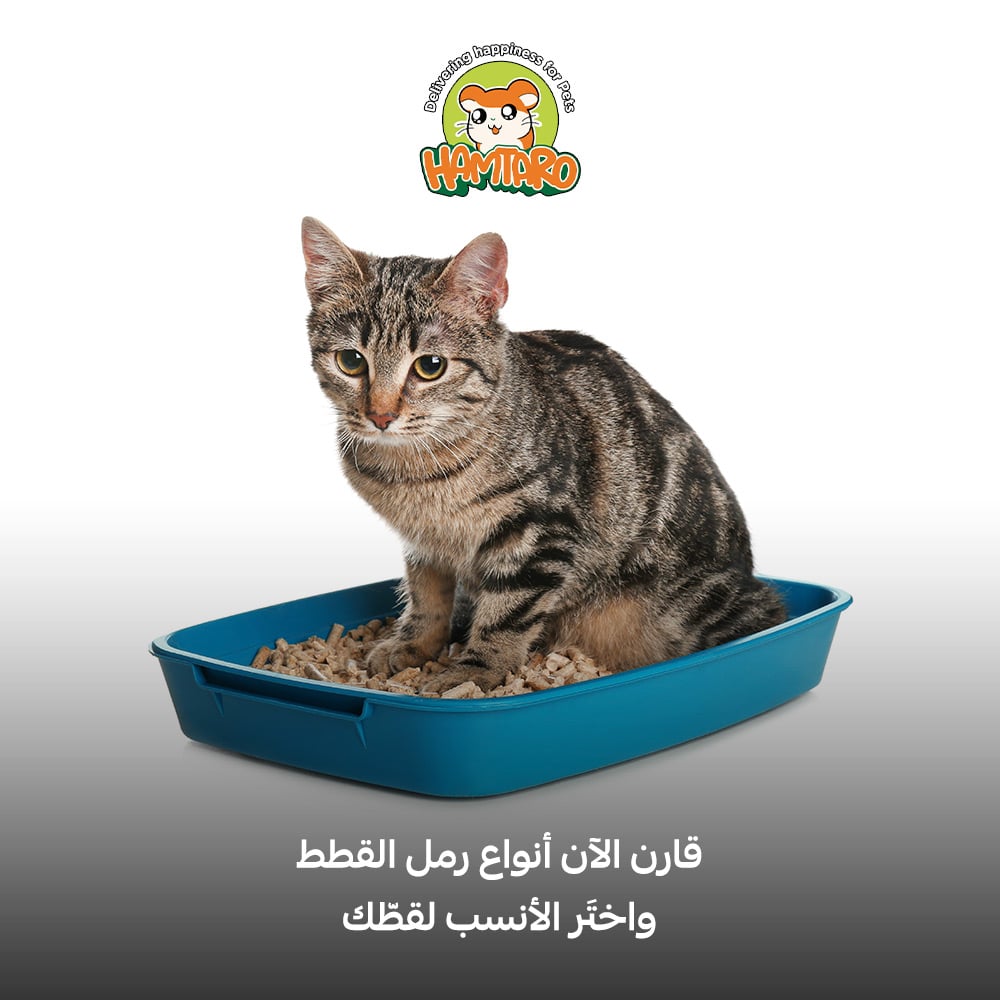
Comparing cat litter according to the cat's needs
small and sensitive cats
Kittens need soft litter that won't cause irritation. Unscented, fine clay litter is usually a favorite for kittens because it resembles natural sand, which their instincts encourage them to dig in. Silica litter can be a bit harsh on delicate little paws.
For cats with respiratory or skin allergies, dust-free silica sand is a healthier option. Cat litter preferred by owners of cats with health problems is usually low-dust silica or premium clay.
Multiple cats in the house
When you have more than one cat, things get more complicated. Litter consumption doubles, and the smell becomes a bigger challenge. Here, you might need two or more litter boxes, choosing a mix of types based on each cat's preferences.
Some breeders use silica in the main litter box and clay in an additional one, while others stick to a single type for easier management. The important thing is to observe your cats' responses and adjust the options based on their behavior.
Option three: Plant-based sand
Although the main question revolves around silica sand versus clay sand, plant-based sand is worth mentioning as an environmentally friendly alternative. Made from natural materials such as sawdust, corn husks, or soy fibers, this type is biodegradable and can be disposed of in environmentally friendly ways.
Its absorbency is good, and the scent is light and natural. However, the main drawback is that some cats don't like its texture, and it may need to be changed more frequently than silica. The price falls between clay and silica, making it a reasonable middle ground option.
Practical tips for choosing the right sand
Try before you commit
Don't buy large quantities of a new type of litter before trying it. Start with one small bag and observe your cat's reaction. Some cats are very picky and may refuse to use a particular type of litter, leading to behavioral problems.
Watch for signs of rejection such as excessive digging without defecating, defecating outside the box, or entering and exiting the box quickly without using it.
Do not mix types
Mixing silica with clay is a bad idea. Each works in a different way, and mixing them reduces the effectiveness of both. If you want to switch from one type to another, do so gradually over a week by adding increasing amounts of the new type until your cat gets used to it.
Cleanliness comes first.
Whatever type of sand you choose, regular cleaning is the real secret. A clean box with simple clay sand is far better than a neglected box with the finest silica.
Wash the bin with mild soap and water once a week, and dry it thoroughly before adding new sand. Use a dedicated scoop and sturdy bags for hygienic waste disposal.

Cat litter comparison: The final verdict
After considering all aspects, there is no single answer that suits everyone. Your choice depends on:
Choose silica if:
- I was a busy person and couldn't do daily cleaning.
- You only own one or two cats
- Odor and dust are a major problem
- You or your cat have respiratory allergies
- Your budget allows for a higher initial cost.
Choose clay if:
- Prefer a daily cleaning routine
- You have several cats and need large quantities
- Your cat is used to it and doesn't want to change.
- Your budget is limited to start with
- She loves the feeling of having complete control over cleanliness.
More important than breed is maintaining hygiene and consistent care. Invest in good quality products from reputable sources like Hamtaro, and pay attention to your cat's specific needs.
Frequently Asked Questions
What is the difference between silica sand and clay sand?
Silica sand is made from silica gel granules that highly absorb liquids and trap odors without clumping, while clay sand consists of the mineral bentonite, which expands and clumps upon contact with liquids, forming easily removable lumps. Silica sand is more durable and produces less dust, but it is more expensive to start with.
Which is better in terms of odor absorption?
Silica sand is clearly superior at absorbing odors thanks to its ability to completely lock in moisture and prevent the growth of odor-causing bacteria. With proper care, the box can remain odor-free for weeks. Good quality clay sand offers reasonable odor control but requires daily cleaning and more frequent replacement.
Is plant-based litter suitable for kittens?
Yes, plant-based litter is a safe option for kittens because it's completely natural and easily digestible, even if the kitten swallows a small amount. Its texture is soft and gentle on sensitive paws. However, be sure to monitor your kitten's acceptance of it, as some kittens prefer traditional, fine-textured litter that resembles natural soil.
What is the cost of each type of sand in Saudi Arabia?
Silica sand costs between 80-120 riyals for a 3.6 kg bag and lasts a full month with one cat. Good quality clumping clay litter costs 40-70 riyals for the same weight but needs to be changed every 10-14 days. Plant-based litter costs between 60-90 riyals and needs to be changed every 2-3 weeks. The actual monthly cost is similar for all three types when calculating consumption.
How do I choose the most suitable type of litter for my sensitive cat?
For cats with respiratory sensitivities, choose silica sand or low-dust clay specifically formulated for sensitive cats. Avoid scented varieties altogether, as these can increase irritation. For cats with skin sensitivities, choose soft granules that won't scratch paws, and ensure the product is free of harsh chemicals. Observe your cat's behavior after the change for any signs of discomfort or avoidance of the litter box.
Read also