


Cat hair loss is not just a cleaning problem, but a window into their inner world. In this article, we will reveal the secrets of this phenomenon, and provide you with a clear map to understand what is happening with your furry friend, when you should worry, and how to act intelligently.
Natural hair loss versus pathological hair loss
Before we delve into the causes of hair loss in cats, let's understand the fundamental difference between normal and abnormal shedding. Cats go through a natural hair growth cycle that includes three phases: active growth, transition, and then a resting phase where the hair falls out to make way for new hair.
Normal hair loss is even across the entire body, without bald patches or changes in skin texture. Pathological hair loss, however, is accompanied by noticeable signs: redness, scaling, severe itching, or the appearance of completely bald areas. The key difference lies in the context and the accompanying symptoms.
Natural causes of hair loss in cats
Seasonal fur swap
Cats shedding their hair in the summer is a completely natural phenomenon, and even beneficial to your cat's health. As temperatures rise, the cat gets rid of its thick winter fur layer and replaces it with a lighter layer that helps regulate its body temperature. This process also occurs in the fall, but in reverse, as thicker fur grows in preparation for winter.
Cats that live in air-conditioned homes may experience light shedding throughout the year because their bodies don't readily detect seasonal changes. This is perfectly normal and nothing to worry about.
Breed and fur type
Some breeds are more prone to shedding than others. For example, Persian and Shiraz cats lose significant amounts of hair due to their long, thick coats, while Siamese and Russian Blue cats shed less. Knowing your cat's breed will help you set realistic expectations.
Read more about:Royal Canin - The best products for cats and dogs

Medical and health-related causes of hair loss in cats
Allergies and skin infections
One of the most common causes of hair loss in cats is allergies. This could be a food allergy to a specific ingredient in their food, or an environmental allergy to pollen, dust, or even household cleaning products. Allergies cause intense itching, and constant scratching leads to hair loss in the affected areas.
Fungal infections such as ringworm cause circular, hairless patches with scaly edges. This infection is contagious and can be transmitted to humans, so it should be treated promptly.
external parasites
Fleas, ticks, and mites are not just annoying; they can be dangerous to the health of a cat's fur. A single flea bite can cause a severe allergic reaction in sensitive cats, leading to frantic itching and widespread hair loss. Mites, especially ear mites, cause itching and hair loss around the head and ears.
Regular checkups and preventative measures against parasites are vital. Use safe and certified products, which you can find at Hamtaro in our value packages that offer comprehensive preventative and treatment solutions.
hormonal problems
Hair loss in neutered cats may be linked to hormonal changes, especially if the procedure occurred at a very young age. The thyroid gland also plays a significant role, as hyperthyroidism (common in older cats) causes noticeable hair loss along with other symptoms such as weight loss and increased appetite.
Cushing's disease, although rare in cats, also causes hair loss due to elevated cortisol levels. These cases require accurate veterinary diagnosis and specialized treatment.
Malnutrition and vitamin deficiencies
Food is the fuel that nourishes every cell in your cat's body, including the hair follicles. A lack of protein, omega-3 and omega-6 fatty acids, and essential vitamins leads to weak, dull, and easily falling-out fur. Cats need a diet rich in high-quality animal protein because they are carnivores by nature.
Vitamins that can help reduce hair loss include biotin (vitamin B7), vitamin E, vitamin A, and zinc. These nutrients support healthy skin and strong hair follicles. Make sure your cat's food contains these nutrients, or consult your veterinarian about appropriate supplements.
Stress and anxiety
Cats are more psychologically sensitive creatures than we imagine. Changes in their environment, the arrival of a new pet, moving to a new home, or even a change in their daily routine can cause stress that leads to a behavior called "excessive licking." The cat compulsively licks itself until fur falls out in the areas it reaches, especially its belly and inner legs.
This condition requires addressing the psychological cause and providing a calm and stable environment for the cat.
Treating hair loss in cats: practical steps
Veterinary examination first
Before taking any action, medical causes must be ruled out. A visit to the veterinarian is essential for an accurate diagnosis, especially if the hair loss is sudden or accompanied by other symptoms. The veterinarian may perform skin examinations, blood tests, or skin scrapings to look for parasites or fungi.
Based on the diagnosis, he may prescribe antibiotics, antifungals, allergy medications, or hormone therapies as needed.
Improving the diet
Switch to a high-quality diet rich in animal protein and essential fatty acids. Look for foods containing omega-3 fatty acids from fish oil, as these significantly improve skin and coat health. Avoid foods loaded with grains and fillers that offer little to no real nutritional value.
You can add nutritional supplements after consulting a doctor, especially if your cat is suffering from a particular deficiency.
Regular fur care
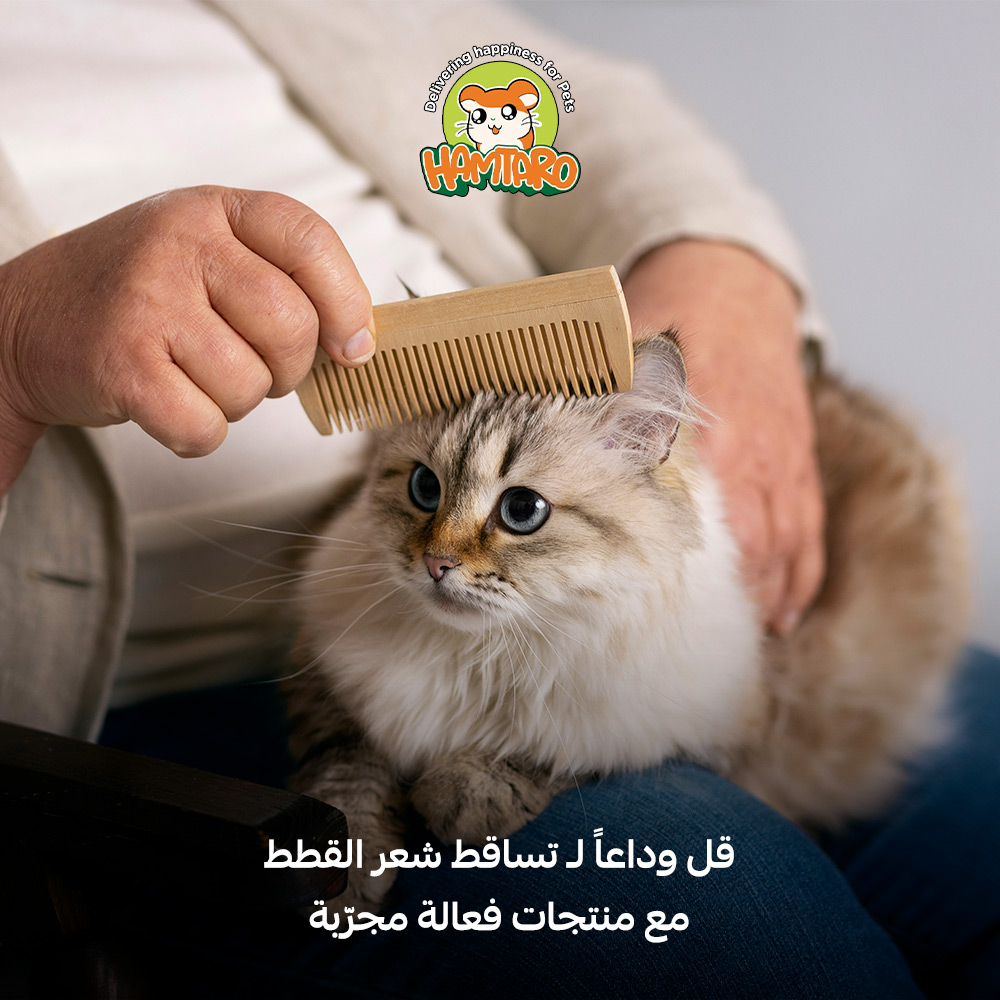
Regularly brushing your cat's fur not only removes dead hair but also distributes natural oils throughout the coat, stimulates blood circulation in the skin, and helps you detect any skin problems early. Use suitable brushes from the Caneva range available at Hamtaro, where you'll find brushes designed for every coat type.
For long-haired cats, daily brushing is essential to prevent tangles and knots. Short-haired cats only need brushing 2-3 times a week.
Bathing with suitable products
Cat grooming products should be chosen carefully. Regular bathing (every one to two months) with a special cat shampoo removes dirt, excess oil, and dead skin. Hamtaro's Ron Ron range offers natural shampoos designed to nourish and strengthen hair follicles without drying out the skin.
Look for shampoos that contain aloe vera, coconut oil, or oats, as these are soothing and nourishing ingredients for skin and hair.
Controlling parasites
Maintain a regular flea and tick prevention schedule. Use topical products or antiparasitic tablets as recommended by your veterinarian. Clean your cat's environment regularly; wash bedding and blankets, and vacuum carpets with a powerful vacuum cleaner to remove eggs and larvae.
Tips to prevent cat hair loss before it happens
Prevention is always better than cure. Here are some practical tips for maintaining a healthy coat:
Proper hydration:Make sure your cat drinks enough water. Dehydration affects the health of their skin and coat. Try a moving water fountain if your cat doesn't like drinking from stationary bowls.
A stress-free environment:Provide your cat with safe spaces, stimulating toys, and a consistent daily routine. Cats love predictability and security.
Regular checkups:A veterinary visit every 6-12 months helps to detect problems early before they worsen.
Temperature control:Maintain a moderate temperature in the house, especially in the summer. Excessive heat stresses the cat's body and may lead to additional hair loss.
High-quality products:Investing in good care products from Hamtaro, whether combing brushes, shampoos, or nutritional supplements, will save you greater treatment costs later.
When should you be worried and go to the doctor immediately?
Not all hair loss warrants panic, but there are red flags that require immediate intervention:
- Clear and well-defined bald patches
- Severe redness or bleeding of the skin
- Hair loss accompanied by lethargy, loss of appetite, or changes in behavior
- Severe, persistent itching
- Appearance of scales, blisters, or discharge from the skin
- Sudden and rapid hair loss in a short period of time
- Unpleasant smell of leather or fur
These symptoms may indicate a serious infection, a hormonal problem, or even autoimmune diseases that require urgent intervention.

Hamtaro: Your partner in comprehensive cat care
Don't let cat hair loss become a major problem. Hamtaro provides everything you need to keep your cat's fur healthy and shiny:
All-in-one savings packages:include shampoos, conditioners, combing brushes, and parasite prevention products at competitive prices to suit your budget.
Ron Ron Care Collection:A complete line of hair nourishment and strengthening products, specially designed for the different needs of cats.
Caneva professional tools:Assorted combing brushes for every type of fur, a dead hair removal comb, and safe trimming scissors.
Nutritional supplements:Essential vitamins and fatty acids that support healthy skin and hair from within.
Investing in your cat's health and hygiene today will save you costly vet visits tomorrow. Start a comprehensive grooming routine now with trusted Hamtaro products.
Cat hair loss is a complex phenomenon with multiple causes, ranging from natural to pathological. Understanding the underlying cause of your cat's hair loss is the first step toward effective treatment. Whether it's simply a normal seasonal change or a health issue requiring medical intervention, careful observation and regular care make a significant difference.
Remember that a healthy coat starts from within with proper nutrition and is maintained from the outside with consistent care. Be an active partner in your cat's health journey, and don't hesitate to seek professional help when needed.
You might also be interested in:Schesir - Best products for cats and dogs
Frequently Asked Questions
What are the causes of hair loss in cats during the summer?
Summer shedding in cats is a natural part of their seasonal molting process. Your cat sheds its thick winter coat and replaces it with a lighter, less dense coat that helps it adapt to the heat. This shedding usually begins in late spring and continues throughout the summer. If the shedding is even and there are no bald patches or signs of irritation, it is perfectly normal and nothing to worry about.
Is hair loss normal or does it indicate a disease?
Shedding can be normal or pathological, depending on the context. Normal shedding is moderate, evenly distributed, and without accompanying symptoms. Pathological shedding, on the other hand, comes with warning signs such as well-defined bald patches, skin redness, severe itching, flaking, an unpleasant odor, or a change in the cat's behavior. A veterinary examination is necessary to determine whether the shedding requires treatment.
How can I help my cat reduce hair loss?
Reduce shedding in your cat by brushing daily to remove dead hair, providing a high-quality diet rich in protein and fatty acids, and keeping them well-hydrated. Bathe your cat with a nourishing shampoo from the Run Run range every one to two months, and ensure their environment is free of parasites. Reduce stress by providing a stable and safe environment, and visit your veterinarian regularly for preventative checkups. Using the right cat grooming products from Hamtaro makes a noticeable difference.
Does the type of food affect hair loss in cats?
Yes, absolutely. Food is the foundation of healthy skin and coat. Cats need a diet rich in high-quality animal protein, omega-3 and omega-6 fatty acids, and essential vitamins and minerals. Cheap foods full of grains and fillers don't provide adequate nutrition, leading to weak and brittle coats. Investing in good food significantly reduces shedding problems.
What vitamins are beneficial for the health of cats' fur?
Essential vitamins for reducing hair loss include biotin (vitamin B7), which strengthens hair follicles and improves texture; vitamin E, an antioxidant that protects skin cells; vitamin A, necessary for cell regeneration; and zinc, which supports skin health. Omega-3 and omega-6 fatty acids are also very important for skin hydration and coat shine. Consult your veterinarian before adding any supplements, and ensure these nutrients are already present in your cat's regular food.
Read also