
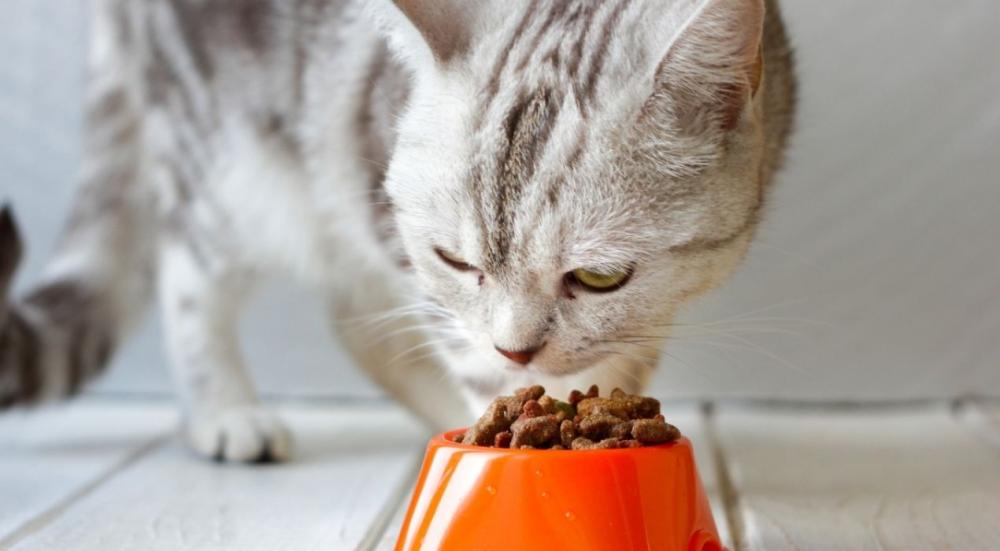

Proper nutrition for cats at every stage of their lives is essential for maintaining their health and vitality. The needs of kittens differ from those of adult cats, and the same applies to neutered cats, pregnant cats, or even senior cats.
In this comprehensive guide, we will show you a feeding schedule for cats at all stages, along with practical tips for providing balanced and healthy meals, in addition to answering common questions such as: What do cats eat from household food?, the number of meals for cats according to age, and what vegetables do cats eat?
Kitten feeding schedule
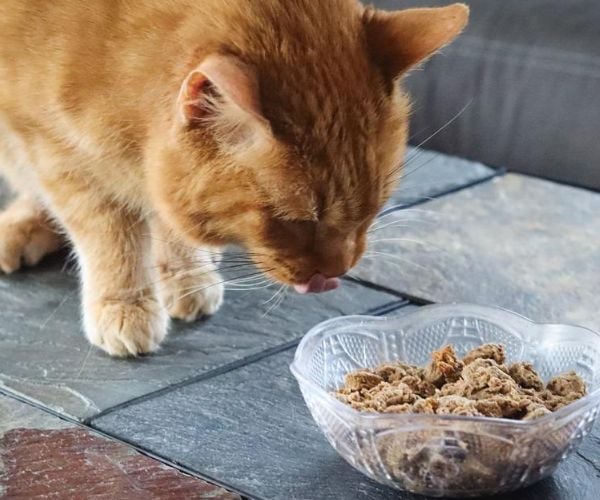
Kittens grow quickly, so they need high-quality protein and more calories than adult cats.
- From 3 weeks to 2 months of age: Special kitten milk or milk substitute formula.
- From one month to two months old: A mixture of mashed wet cat food with milk.
- From 2 months to 6 months of age: Introduce wet food to kittens along with a little dry food gradually.
- From 6 months of age: Start with a fixed schedule based on feeding kittens 3 to 4 times a day.
Adult cat feeding schedule
After 12 months, the cat enters adulthood and needs a balance between protein, fat, and energy.
- Two meals a day, one in the morning and one in the evening.
- Varying between wet and dry foods.
- Ensuring that fresh water remains constantly available.
- Using high-quality food to ensure long-term health.
Feeding schedule for neutered cats
Cats after neutering tend to gain weight due to decreased activity.
- Reduce the number of calories in meals.
- Feeding neutered cats a low-fat food.
- Feed them 2 to 3 times a day while monitoring their weight.
- Avoid excessive rewards.
Pregnant cat feeding schedule
A pregnant cat needs twice the energy of a normal cat.
- Food rich in protein and healthy fats.
- Divide your food into 3–4 small meals per day.
- Kitten food can be used because it has a higher nutritional density.
- Ensuring adequate calcium and phosphorus intake to support fetal growth.
Feeding schedule for mother cats after giving birth
After giving birth, the cat loses a lot of energy and needs to regain her health.
- Leaving food available all day (free feeding).
- Serving food rich in protein and fat.
- Increase the proportion of wet food to support hydration and milk production.
- Relying on the mother cat's postpartum food.
Feeding schedule for nursing cats
Nursing cats need intensive feeding to produce enough milk for their kittens.
- High-quality kitten food (rich in protein and energy).
- Always leave food available.
- Provide extra moist meals to replace fluids.
- A flexible feeding schedule according to the cat's appetite.
Adult Cat Food Schedule - Senior
As a cat gets older, its needs change.
- Easily digestible, low-calorie food.
- Increase high-quality protein to maintain muscle mass.
- Two meals a day with an additional wet meal.
- Add supplements specifically for joint health if recommended by the veterinarian.
Persian cat feeding schedule
Persian cats have a special and sensitive digestive system.
- Wet food specifically formulated for Persian cats to keep them hydrated.
- Two to three meals a day.
- Foods rich in fiber to reduce the problem of hairballs.
- It is preferable to offer dry cat food specifically formulated for long-haired breeds.
Feeding schedule for two-month-old kittens
- Wet food for kittens two to three times a day.
- Start gradually by introducing dry food.
- Providing water on a permanent basis.
What do cats eat from the household food?
- Chicken cooked without spices.
- Grilled or boiled fish without salt.
- Rice and potatoes in small quantities.
- Some vegetables such as zucchini and carrots (cooked).
- Avoid harmful foods such as onions, garlic, and chocolate.
Number of cat meals according to age
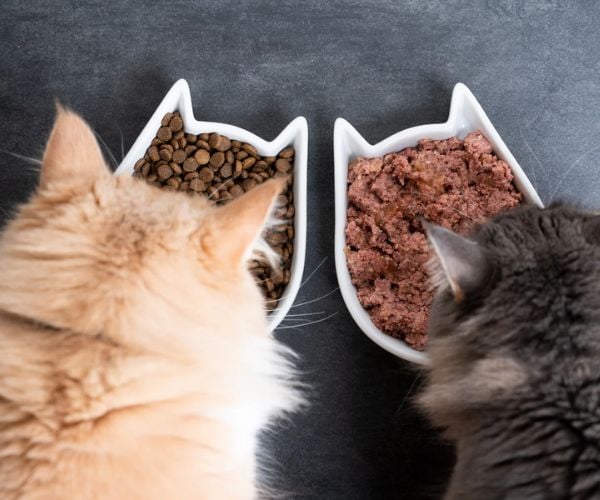
- Kittens: 4–5 meals per day.
- Adult cats: 2–3 meals per day.
- Large cats (senior): 2 meals a day with a snack.
- Pregnant and lactating cats: Food available all day.
What do kittens eat at one month old?
- Alternative milk for cats.
- Wet food specifically formulated for weaning, mixed with water.
- Small meals 4–6 times a day.
What vegetables do cats eat?
- Boiled zucchini.
- Cooked carrots.
- Broccoli in small quantities.
- Butternut squash.
Note: Vegetables are not essential in a cat's diet, but they may be offered as a simple supplement.
Tips for choosing the best food for cats
- Read food labels and look for animal protein as a key ingredient.
- Choose balanced foods appropriate for age (young - adult - elderly).
- Avoid foods that contain artificial flavors or sugars.
- Always try products from trusted brands like those offered at Hamtaro store to ensure quality.
Common mistakes in cat feeding schedules
- Feeding cats cow's milk (causes digestive upset).
- Excessive consumption of dry food without a balance of wet food.
- Leaving food in the air for long periods causes contamination.
- Serve food specifically for dogs instead of cat food.
Frequently asked questions about cat feeding schedules
What is the best feeding schedule for kittens?
The best schedule is to divide food into 4–5 small meals a day, relying on high-quality wet food that aids growth, then gradually introducing dry food.
How many meals do adult cats eat per day?
According to veterinarians' recommendations, an adult cat's eating schedule is based on two to three meals a day, with care taken to provide water continuously.
What is the difference between a feeding schedule for neutered cats and regular cats?
Spayed cats tend to gain weight, so their diet needs to be calorie-restricted, with the provision of low-fat food specifically formulated for spayed cats.
Can a pregnant cat eat kitten food?
Yes, in many cases, doctors recommend using kitten food in the diet of pregnant cats because it is rich in protein and energy needed for fetal growth.
What does a cat need after giving birth?
The feeding schedule for mother cats after giving birth should include high-protein, high-energy food, and food should always be left available to support lactation.
What is the best food to give a nursing cat?
The appropriate food is high-quality kitten food, which contains the necessary protein and fat, and is relied upon within the feeding schedule of lactating cats.
Does the diet of adult cats differ from that of kittens?
Yes, the Senior Cat Food Schedule focuses on easily digestible, low-calorie food, with high-quality protein to support muscles and joints.
Can cats eat only food from the house?
Although some foods such as boiled chicken and fish are safe, relying solely on home-cooked food may not provide all the necessary nutrients. It is best to combine home-cooked food with ready-made healthy cat foods from Hamtaro .
Choosing the right feeding schedule for each age stage of your cat helps ensure a healthier and longer life for your pet, whether you have a kitten that needs to grow, an adult cat that needs balance, a pregnant or lactating cat that needs extra nutrition, or even a senior cat.
It needs special care, so sticking to a clear schedule will make it easier for you and the cat. Don't forget to ask the veterinarian when needed, and always choose healthy cat food from reliable sources like Hamtaro, which provides the best wet and dry food for all stages.